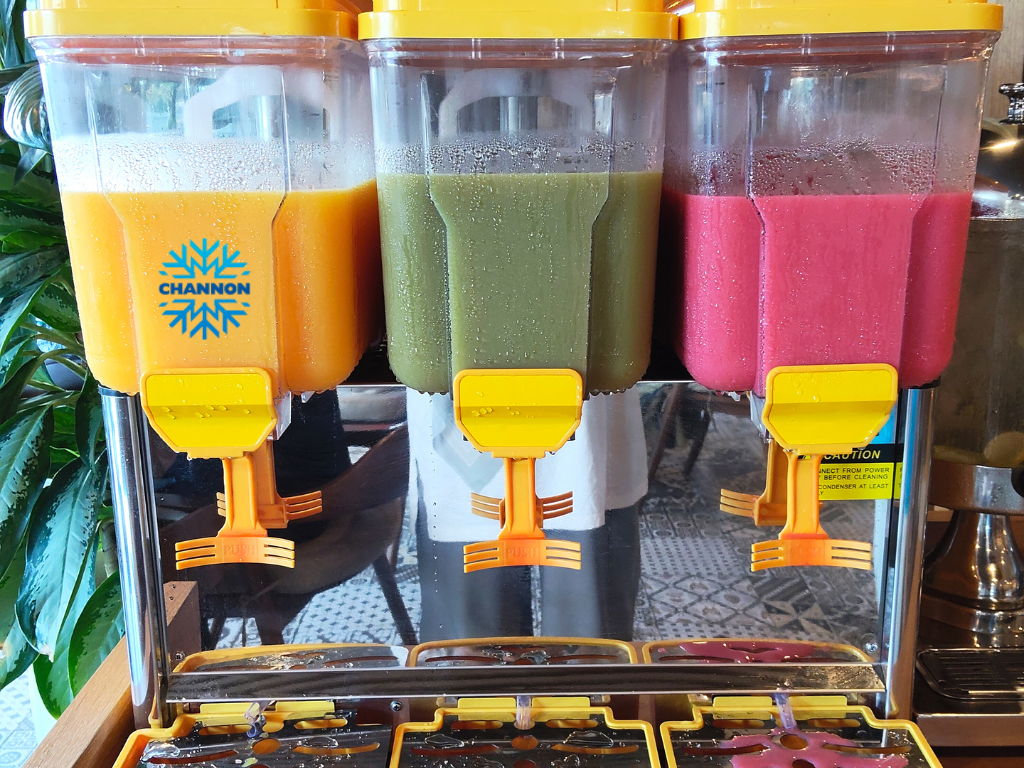
The right beverage equipment can make or break a customer’s experience. Whether it’s a morning coffee, a fresh juice, or a perfectly chilled soft drink, what’s behind the counter plays a bigger role than most people think.
In a fast-paced setting, staff rely on reliable equipment to maintain speed and consistency. It’s not just about getting the job done — it’s about getting it done well, every single time. Customers notice when their drink doesn’t taste the same or when it’s served too cold, too hot, or takes too long.
For cafés, bars, restaurants and food trucks, investing in the right beverage equipment is one of the smartest ways to improve service and keep customers coming back. It also reduces waste, improves workflow, and protects your reputation. All of this starts with understanding how the equipment you choose affects quality, temperature, pressure, and timing.
Getting More from Your commercial kitchen equipment sydney
The Overlooked Role of Beverage Machines in Kitchen Flow
In busy kitchens, space is everything. The way your commercial kitchen equipment sydney is arranged can influence staff movement, prep time, and even safety. Beverage gear is often placed near service points, but if not thought through properly, it can cause crowding, spillage, or delays. Coffee machines too close to cold drink stations, or juicers near walkways, can create unnecessary hold-ups.
Good equipment layout helps staff move easily between tasks. When your beverage machines are compact, efficient, and designed for commercial use, they don’t slow things down — they keep things running smoothly.
Choosing Machines That Match Your Service Style
Different venues need different tools. A takeaway juice bar has different needs from a hotel breakfast buffet or a cocktail bar. That’s why choosing the right commercial kitchen equipment sydney means thinking about:
-
How many drinks you serve per hour
-
What types of beverages are on your menu
-
How much bench space you can spare
-
Whether your team is trained on advanced features
Buying too much gear can slow things down. Not having enough can lead to long wait times. The sweet spot is choosing only what your space and service style can handle efficiently.
Understanding the Differences in beverage equipments

Not all beverage equipments are built the same. Some are designed for volume, others for precision. The difference matters more than you might think. Cold drink dispensers, under-bench fridges, hot water urns, and coffee machines all serve different purposes. And within those categories, features vary even more — like manual vs automatic controls, programmable settings, or energy-saving modes.
For example, a high-volume café might need a twin-head espresso machine, while a boutique bakery might only need a simple manual unit. A restaurant serving pre-bottled drinks might invest more in cooling and display equipment instead of mixing stations. Your equipment needs depend on what you serve, how often, and how fast. Choosing the right beverage equipments means better consistency in every cup or glass.
The Role of beverage process equipment in Quality Control
Precision, Pressure, and Temperature Matter More Than You Think
Behind every great drink is reliable beverage process equipment. This is the equipment that controls how drinks are brewed, mixed, chilled, or carbonated. Even small changes in temperature or pressure can affect taste, texture, and consistency.
For example, coffee machines rely on stable water temperature and pressure. If either fluctuates, the flavour changes. The same goes for juice machines, beer systems, and soft drink dispensers. When settings are not accurate, drinks can taste flat, bitter, or weak.
Good beverage process equipment removes guesswork. It allows staff to repeat the same result throughout the day, even during busy service times. This is especially important when multiple team members are working the same shift.
Small Adjustments That Improve Every Serve
Modern beverage process equipment often includes programmable settings. These features help staff keep quality consistent without slowing service.
Simple adjustments can make a big difference, such as:
- Calibrating temperature at the start of each day
- Checking pressure levels during peak service
- Cleaning internal parts regularly to avoid flavour transfer
These small habits help maintain drink quality and protect your equipment long term.
How food display unit and food display cabinets Support the Drink Experience
The way drinks and food are presented matters just as much as how they taste. A clean, well-lit food display unit helps customers feel confident about what they are ordering. When drinks are paired with fresh pastries, desserts, or ready-to-eat items, proper display builds trust. Customers can see that products are stored at the right temperature and handled with care.
food display cabinets also help staff work faster. Items are easy to access, clearly visible, and kept fresh for longer. This reduces waste and improves overall service flow. In cafés and takeaway shops, display cabinets often influence impulse purchases. A chilled drink or dessert that looks appealing is more likely to be added to the order.
Investing in food and beverage equipment for Better Results
What to Prioritise for Long Term Value
Choosing the right food and beverage equipment is not just about price. It’s about reliability, ease of use, and how well it supports your menu.
When investing, focus on equipment that:
- Matches your daily service volume
- Is easy to clean and maintain
- Has local service and spare parts available
- Fits topics current and future needs
Buying the cheapest option often leads to higher repair costs later. Reliable equipment saves money over time and keeps customers happy.
Maintenance Habits That Keep Your Equipment at Its Best
Regular care extends the life of your equipment and protects drink quality. Simple routines make a big difference. Daily cleaning, weekly checks, and scheduled servicing reduce breakdowns and keep performance steady.
Staff should also be trained to spot early signs of issues, such as unusual noise, temperature changes, or slower output. Well-maintained equipment means fewer service interruptions and consistent results across every shift.
