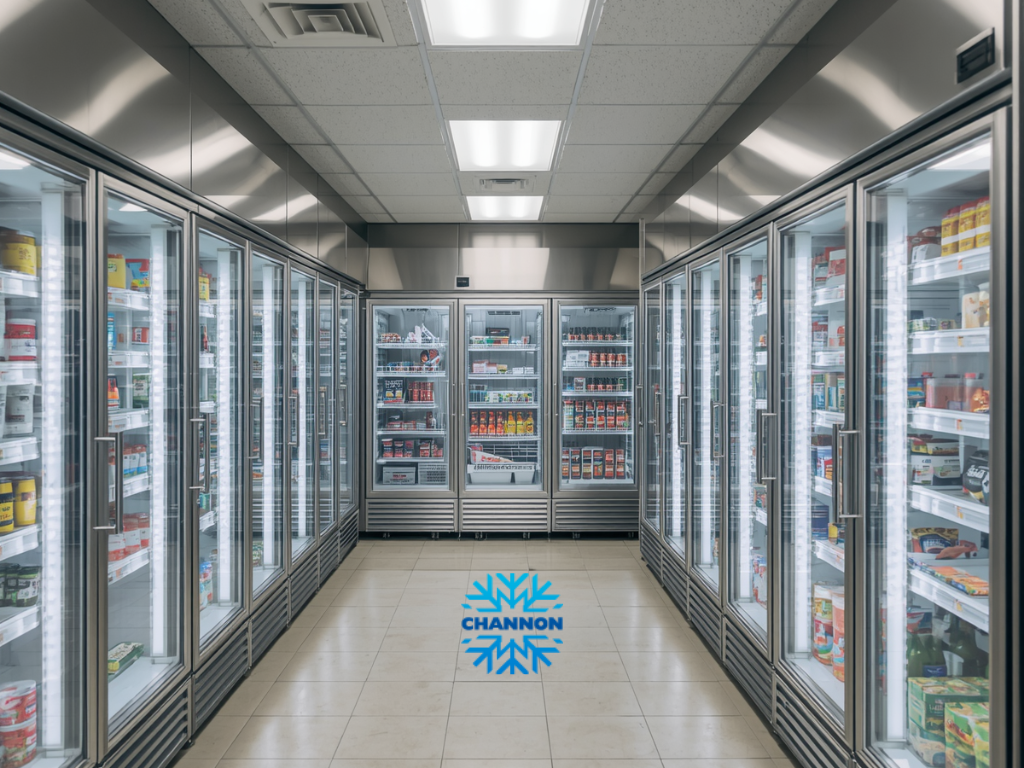
Choosing the right commercial refrigeration equipment is important because every business stores products in a different way. A small café may only need underbench fridges, a display cabinet, and a freezer. However, a restaurant, butcher, grocer, florist, or food wholesaler may need larger storage, better airflow, stronger temperature control, and more space for deliveries.
Before comparing models, start with your daily routine. Think about how much stock arrives each week, how fast it moves, how often staff open the doors, and whether products need chilled, frozen, or display storage. This makes it easier to choose equipment that suits real use, not just the cheapest option on the page.
It also helps to think about future growth. If your business is growing, buying a fridge that only suits today’s stock may create problems later. On the other hand, oversized equipment can take up space and may increase running costs if it is not needed.
Look Beyond the Purchase Price
Price matters, but it should not be the only factor. Commercial refrigeration runs every day, so energy use, service access, build quality, warranty, and temperature reliability can all affect long-term value.
For example, a cheaper unit may seem attractive at first. However, if it struggles in a hot kitchen, needs frequent repairs, or does not hold temperature well, it may cost more over time. A better choice is usually the unit that fits your stock, space, workflow, and budget.
When comparing commercial refrigeration equipment for sale, check these details:
- Internal capacity and external dimensions
- Temperature range
- Door type and seal quality
- Ventilation requirements
- Energy use
- Warranty and service support
- Delivery and installation options
- Cleaning and maintenance needs
This gives you a clearer picture of total value, not just upfront cost.
Match the Equipment to Your Business Type
Cafés, Restaurants, and Takeaway Stores
Hospitality businesses need refrigeration that supports fast service and safe storage. A café may need an underbench fridge near the coffee station for milk, a cake display fridge for customer-facing products, and a freezer for backup stock. A restaurant may need upright chillers, prep fridges, freezer storage, and possibly a cool room for bulk ingredients.
In kitchens, layout matters. Staff should be able to access chilled items quickly without blocking walkways or opening doors for too long. Good placement can also reduce heat exposure from ovens, grills, fryers, and direct sunlight.
For takeaway stores, the right setup may include prep counters, drink display fridges, upright freezers, and rear storage. The goal is to keep food organised, easy to reach, and stored at the right temperature.
Retail, Grocery, Florist, and Specialty Stores
Retail businesses often need a mix of storage and display. A grocery store may need open display cabinets, glass door fridges, freezer cabinets, and a cool room for back-of-house stock. A florist may need refrigeration that protects flowers without freezing delicate products. A bottle shop may need display fridges that keep drinks cold while still presenting products clearly.
This is where commercial refrigeration sydney buyers should think about both function and presentation. A display fridge does more than keep products cold. It also helps customers see the product clearly and make faster buying decisions.
For specialty stores, product type is especially important. Meat, dairy, seafood, flowers, drinks, desserts, and frozen goods all have different storage needs. If you are unsure, ask a supplier which unit suits your product category before you buy.
Compare Fridges, Freezers, and commercial modular cool rooms
When a Standard Commercial Fridge Works Best
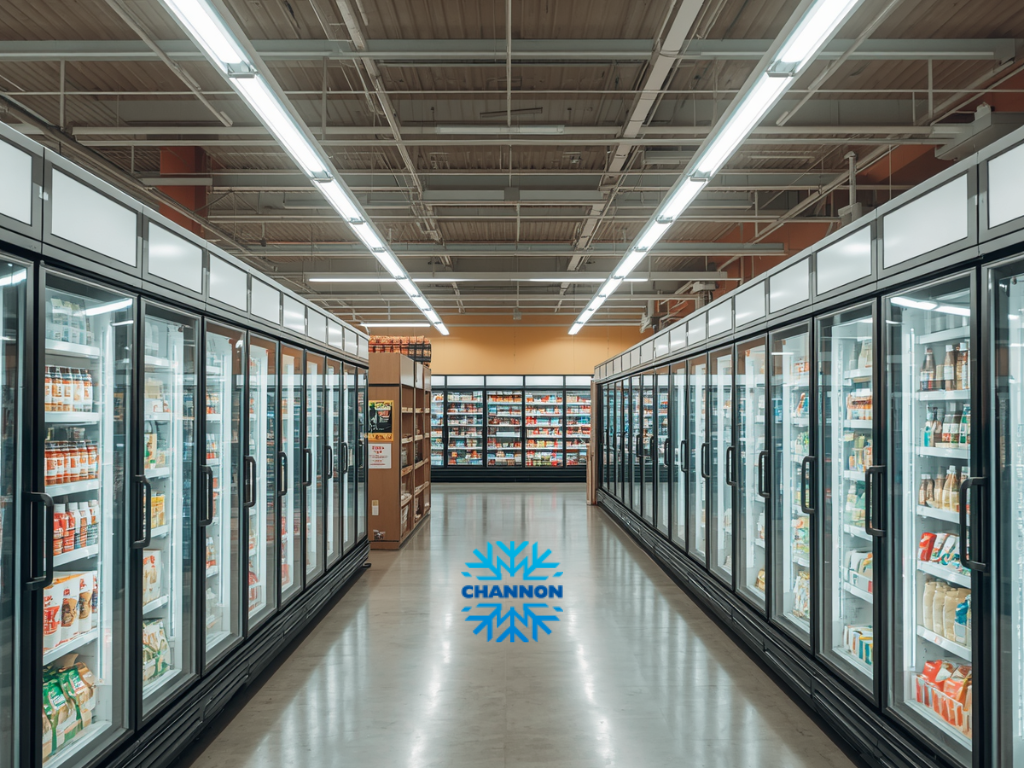
A standard commercial fridge works well when your stock volume is manageable and you need easy access during the day. Upright fridges are useful for general kitchen storage. Underbench fridges save space and keep items close to workstations. Display fridges are ideal when customers need to see chilled products.
Freezers are also available in different formats. Upright freezers are useful when staff need organised access. Chest freezers may suit bulk frozen storage, although they can be harder to organise. Display freezers are useful for retail environments.
A standard fridge or freezer may be the right choice if:
- Your storage needs are clear and limited
- You do not receive large bulk deliveries
- You need flexible placement
- You have limited floor space
- You want a simple replacement for existing equipment
When a Cool Room Is the Better Option
commercial modular cool rooms are often better when a business needs larger storage capacity. They can suit restaurants, supermarkets, catering businesses, food production sites, florists, warehouses, and other businesses that handle larger stock volumes.
A cool room can make stock handling easier because staff can walk in, organise shelves, and store bulk deliveries in one area. This can reduce the need for several separate fridges. It can also help with workflow if the business receives frequent deliveries.
However, cool rooms need careful planning. You should consider floor space, door position, insulation, shelving, drainage, access, temperature range, and installation requirements. It is also important to check whether your site has the right power supply and ventilation.
If you are deciding between multiple upright fridges and a cool room, compare space, stock volume, running costs, staff access, and future growth before making a decision.
Check Energy Use, Temperature Control, and Maintenance Needs
Energy Efficiency Can Affect Long-Term Costs
Commercial refrigeration can use a large amount of energy because it runs day and night. The exact cost depends on the equipment, business type, temperature settings, door use, maintenance, and surrounding conditions.
Simple habits can make a difference. Do not block air vents. Avoid overloading shelves. Keep doors closed where possible. Check door seals. Keep condenser areas clean and clear. Also, make sure the unit is placed away from heat sources where possible.
Older equipment may still work, but it can sometimes use more energy or struggle to hold temperature during busy periods. If your fridge is noisy, icing up, leaking, running constantly, or failing to cool evenly, it may be time to have it checked.
Reliable Temperature Control Supports Food Safety
Temperature control is one of the main reasons to choose the right refrigeration. For food businesses, poor cooling can affect product quality and safety. It can also create waste if stock spoils before it can be sold.
Good equipment should hold a stable temperature when used correctly. However, staff habits also matter. Doors should not be left open. Hot food should not be placed directly into a fridge unless your food safety process allows for safe cooling. Shelves should not be packed so tightly that air cannot move.
Use thermometers or temperature monitoring where required. Keep logs if they are part of your food safety process. If a unit cannot hold temperature, contact a technician or supplier before it becomes a larger issue.
Consider Buying, Financing, or Rent-to-Buy Options
When Buying Outright Makes Sense
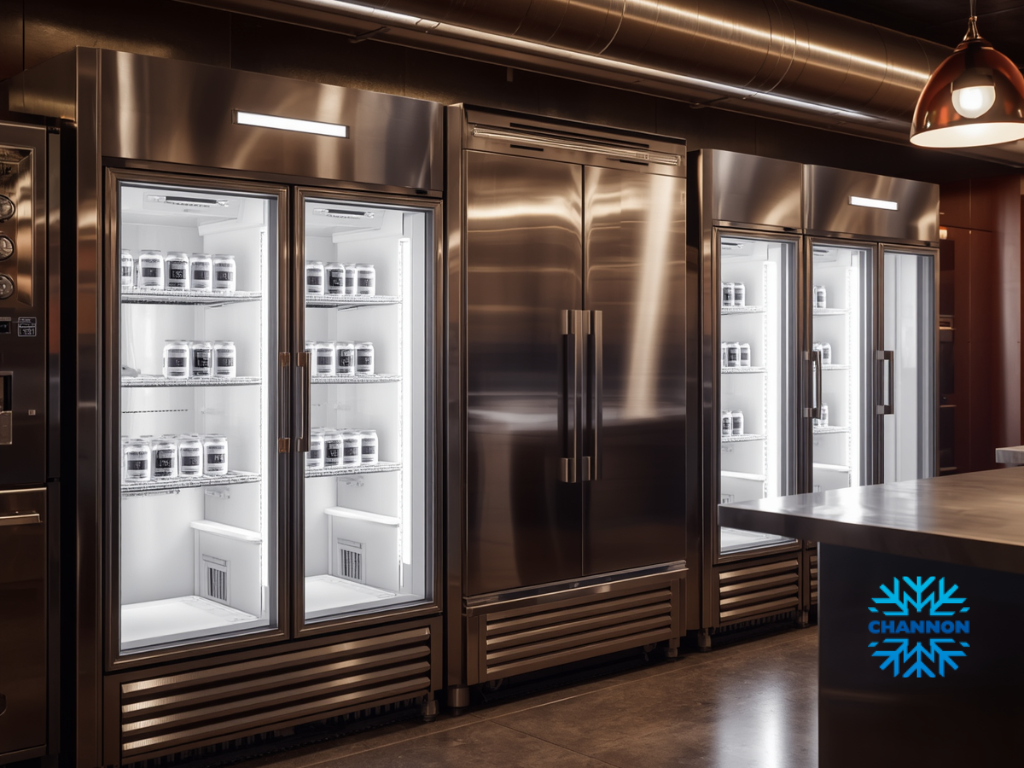
Buying outright can work well when your business has the budget available and you know exactly what you need. It gives you ownership from the start and may suit established businesses replacing old equipment.
This can be a good option when the equipment is essential, the model suits your long-term needs, and the supplier offers support after purchase. Before buying, confirm warranty terms, delivery, installation, and service access.
It is also wise to check whether the product is suitable for commercial use. Domestic fridges are not designed for the same workload as commercial units. In a busy kitchen or shop, commercial-grade equipment is usually the safer option.
When commercial refrigerator financing May Help
commercial refrigerator financing may help businesses that need reliable equipment but want to manage cash flow. This can be useful for start-ups, expanding cafés, restaurants fitting out a new site, or retailers replacing several units at once.
A rent to buy commercial fridge option may also appeal to businesses that want a more manageable payment structure. However, always read the terms carefully. Check the total cost, payment period, ownership details, early payout options, warranty, servicing responsibilities, and what happens if the unit needs repair.
Finance should support the business, not create pressure. So, compare the weekly or monthly payment against your expected use, stock value, and business cash flow.
How to Choose the Right Supplier in Sydney
Ask About Product Range, Delivery, and Installation
When comparing commercial refrigeration sales sydney, look for a supplier that can explain the differences between products in plain English. A good supplier should help you compare size, layout, temperature range, installation needs, and finance options.
Local support can also matter. For businesses in Sydney or Western Sydney, delivery access, timing, installation, and service availability can affect how smoothly the process runs. This is especially important if you are opening a new venue, replacing a failed fridge, or fitting out a space with limited access.
Ask practical questions such as:
- Which unit suits my product type?
- Will this fridge cope with my kitchen or store conditions?
- What space is needed around the unit for ventilation?
- Is delivery included?
- Can installation be arranged?
- What warranty applies?
- Are finance or rent-to-buy options available?
- What support is available after purchase?
Check Support Before and After Purchase
A supplier should not only sell the product. They should also help you choose the right option for your business needs. This is where contacting Channon may be useful if you are comparing commercial refrigeration equipment, commercial refrigeration equipment for sale, commercial modular cool rooms, or commercial refrigeration sydney options.
For example, you may need help deciding whether a display fridge, upright fridge, freezer, or modular cool room is the better fit. You may also want to ask about commercial refrigerator financing if you prefer to spread the cost.
Good support before purchase can help you avoid common mistakes, such as buying a unit that is too small, too large, poorly positioned, or unsuitable for the products you sell.
When Should You Contact the Company?

Contact a Supplier Before You Buy
You should contact a supplier before buying if you are unsure about sizing, layout, temperature range, installation, delivery access, or finance options. It is better to ask early than to order equipment that does not suit your site.
You should also contact the company if you are planning a new fit-out. Refrigeration should be considered before the final layout is locked in. This helps avoid problems with power points, airflow, doorway access, plumbing, drainage, and staff movement.
Contacting a supplier is also useful when replacing old equipment. They can help you compare similar models or suggest a better option based on your current problems.
Prepare Key Details for a Faster Quote
To get better advice, prepare a few details before you ask for a quote. You do not need to know everything, but the more information you provide, the easier it is for the supplier to guide you.
Helpful details include:
- Your business type
- The products you need to store
- Whether items are chilled, frozen, or displayed
- Approximate stock volume
- Available floor space
- Doorway and delivery access
- Preferred timeline
- Whether you want to buy, finance, or rent to buy commercial fridge
- Any existing equipment you want to replace
This makes the conversation more useful and helps the supplier recommend equipment that fits your business, space, and budget.
A strong final step is to compare more than price. Look at product suitability, energy use, warranty, after-sales support, installation, and long-term reliability. That way, your refrigeration setup can support your business every day, not just on the day it is delivered.
