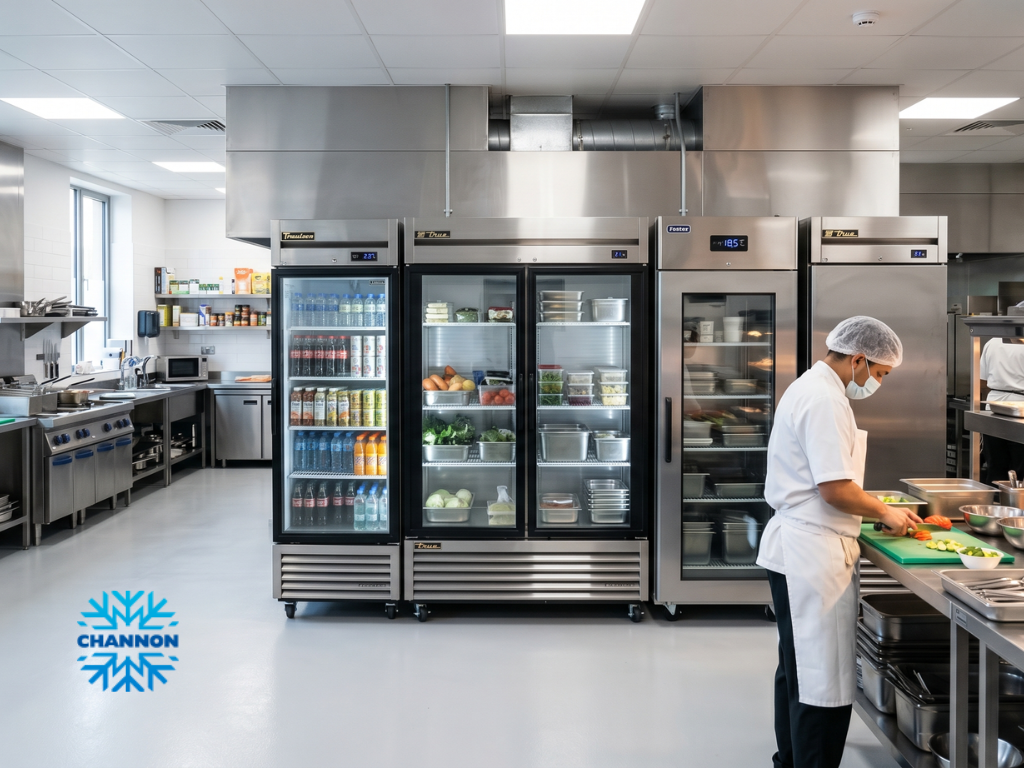
Choosing commercial kitchen equipment Sydney businesses can rely on starts with one clear step. You need to understand how your kitchen will work each day. Ovens, fridges, benches, fryers, and dishwashers should not be viewed as separate items. They need to work together as one complete setup.
Each piece of equipment should support your menu, staff workflow, food safety needs, storage space, cleaning routine, and customer service speed. When the setup works well, staff can move faster and serve customers with fewer delays.
A café may need a strong coffee flow, cold display space, underbench refrigeration, quick prep areas, and dishwashing. A restaurant may need more cooking capacity, refrigeration, prep benches, pass space, exhaust support, and storage. A bakery may need mixers, ovens, proofing space, trays, cooling racks, and display cabinets.
This is why the right equipment depends on the business model. Price matters, but it should not be the only factor.
Start with your menu and service style
Before buying equipment, start with your menu. A café serving coffee, sandwiches, cakes, and light meals needs a different setup from a restaurant serving hot meals all day. A bakery needs another type of setup, especially if it makes bread, pastries, cakes, or savoury items in-house.
Think about what you prepare most often. Then consider how many orders you expect during busy times. Also ask whether your food is cooked to order, made in batches, chilled for display, or held warm before service.
These details help you choose the right equipment. You may need commercial gas ovens, convection ovens, combi ovens, grills, fryers, underbench fridges, upright fridges, display fridges, or bakery equipment.
Future growth also matters. Your business may add catering, expand the menu, increase seating, or offer delivery. In that case, your equipment should not be too small from the start. However, oversized equipment can waste space and make the kitchen harder to use.
The best choice is equipment that suits your current needs and allows for realistic growth.
Think about workflow before choosing products
A commercial kitchen should help staff move smoothly. The flow usually moves from stock receiving to storage, preparation, cooking, plating, serving, washing, and cleaning. If the layout does not work, staff may cross paths too often. Food preparation may also slow down.
Place refrigeration close to prep areas where possible. This helps staff access ingredients quickly. Put cooking equipment where heat, exhaust, and safety can be managed. Keep dishwashing away from clean food preparation areas.
Benches also need enough space for prep, plating, and packing. If benches are too small, staff may struggle during busy service. If they are too large, they may block movement.
Equipment planning should happen at the same time as layout planning. A fridge, oven, or dishwasher may look suitable online. However, it still needs to fit your kitchen space, door access, plumbing, power, gas, ventilation, and daily workflow.
Why Commercial Kitchen Design Matters in Sydney
Commercial kitchen design Sydney planning matters because many hospitality spaces have limited room. Sydney cafés, restaurants, takeaway shops, bakeries, and food outlets often work within compact sites. Every bench, fridge, oven, and storage area needs careful placement.
A well-planned kitchen helps staff work faster. It can also reduce clutter, support cleaning, and make peak service easier. Poor planning can create daily problems, even when the equipment is good.
Layout affects speed, safety, and daily operation
Good layout planning looks beyond where equipment will fit. It also looks at how people move, how food moves, and how staff clean the space after service. Staff should be able to prepare food, access ingredients, cook, plate, serve, and wash items without delays.
Ventilation also needs early attention. Cooking equipment can create heat, steam, smoke, grease, or odour. Commercial cooking equipment Sydney businesses choose may need exhaust systems, fire safety checks, and suitable building conditions.
These needs can change from site to site. They can also depend on the type of cooking, so check them before placing the final equipment order.
Cleaning access should also be planned early. Equipment that is hard to move or reach can make cleaning harder. In food businesses, cleanability is not only about appearance. It also supports food safety and daily hygiene.
Check local food business requirements early
Food businesses in NSW need to consider food safety rules, local council needs, and site approval requirements. These should be checked before the kitchen fitout is finalised.
The Australia New Zealand Food Standards Code includes food safety standards for food premises and equipment. The NSW Food Authority also supports food safety regulation across the state.
Requirements can depend on the business type, premises, council area, and food handling activities. For this reason, it is wise to check the rules early. This is especially important for new hospitality fitout Sydney projects, renovations, kitchen upgrades, and food production changes.
Before buying equipment, confirm the practical details. Check floor space, drainage, power, gas, ventilation, hand washing access, cleaning access, food storage, waste management, and delivery access. These details can affect which equipment will suit your site.
Essential Equipment for Cafés, Restaurants, and Takeaway Shops
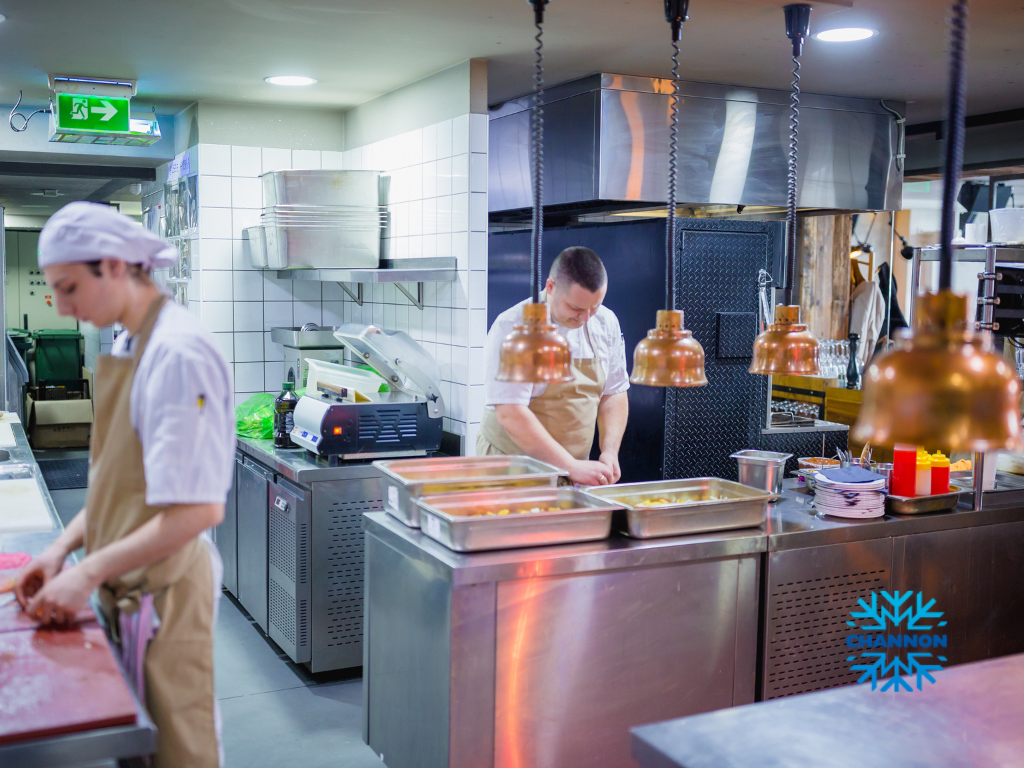
Most hospitality kitchens need equipment for cooking, preparation, refrigeration, washing, storage, and service. The exact mix depends on your menu. Still, the main goal stays the same. Your equipment should help your team prepare food safely, consistently, and efficiently.
When comparing commercial kitchen equipment Sydney suppliers, group your needs by function. This is easier than looking at each product on its own. It also helps you see what is essential, what can wait, and what you may not need.
Cooking, preparation, and refrigeration equipment
Cooking equipment is often the centre of the kitchen. Your menu may require commercial gas ovens, electric ovens, convection ovens, combi ovens, cooktops, chargrills, fryers, salamanders, hot plates, pasta cookers, rice cookers, or holding cabinets.
Preparation equipment matters just as much. Prep benches, stainless steel work tables, food processors, mixers, slicers, scales, and ingredient storage can affect service speed. With enough prep space, staff can work faster before and during service.
Refrigeration is another key part of the setup. Underbench fridges can support compact prep areas. Upright fridges can store bulk ingredients. Display fridges can present chilled products to customers. Freezers can support frozen stock. Larger food businesses may need cool rooms when regular fridges cannot hold enough stock.
Washing, storage, and display equipment
Dishwashing and cleaning equipment should never be an afterthought. A busy café or restaurant needs a dishwasher that suits its volume. This may mean an undercounter dishwasher, pass-through dishwasher, glasswasher, or larger warewashing system.
The right choice depends on your daily use. Consider how many cups, plates, trays, pans, and utensils your team uses during peak service.
Storage also matters. Shelving, racks, cupboards, ingredient bins, and dry storage areas help keep the kitchen organised. If storage is too limited, staff may leave items in walkways or work areas. This can slow service and make cleaning harder.
Display equipment is important for cafés, bakeries, takeaway shops, and food retailers. Heated displays, chilled display cabinets, cake displays, drink fridges, and food merchandisers can help present products clearly. The right display equipment should suit the product and the customer experience.
Choosing Equipment for Cafés and Bakeries
Cafés and bakeries need a careful balance of production, display, storage, and customer service. These businesses often have a smaller back-of-house area and a busy front counter. They also need speed and good presentation.
Because of this, Cafe setup services or café setup services can help new operators. They can guide what should go behind the counter, what belongs in the kitchen, and what can be added later.
Café setup services and equipment planning
A café setup usually starts with the service style. A small espresso bar may need a strong coffee workflow, compact refrigeration, a glasswasher, and display space for pastries or sandwiches. A larger café with a full menu may need cooking equipment, food prep benches, underbench fridges, upright fridges, dishwashing, dry storage, and a pass area.
Coffee equipment placement is especially important. It affects staff movement and customer wait times. Place the espresso machine, grinder, milk fridge, knock box, sink, glasswasher, and service counter in a way that reduces extra steps.
Food display also needs planning. Chilled display cabinets may suit cakes, sandwiches, salads, and drinks. Heated displays may suit pies, pastries, or ready-to-serve food.
The display should look clean and easy to access. It also needs to support food safety and simple cleaning.
Bakery equipment for production and display
Bakery equipment needs depend on how the business operates. Some bakeries bake from scratch. Others finish pre-prepared products or focus on retail display.
A production bakery may need mixers, dough sheeters, proofers, deck ovens, convection ovens, racks, trays, benches, ingredient storage, cooling space, and washing equipment. A café bakery or smaller retail bakery may need a more compact setup. This is often the case when production happens off-site or in smaller batches.
For smaller bakeries, the focus may be display fridges, heated displays, preparation benches, refrigeration, and ovens that suit the menu.
When choosing bakery equipment, think about batch size, heat output, floor space, tray size, loading access, and cleaning needs. Also plan where baked goods will cool. Then decide where finished products will be stored and how staff will move them to display.
Comparing Commercial Gas Ovens and Other Cooking Options
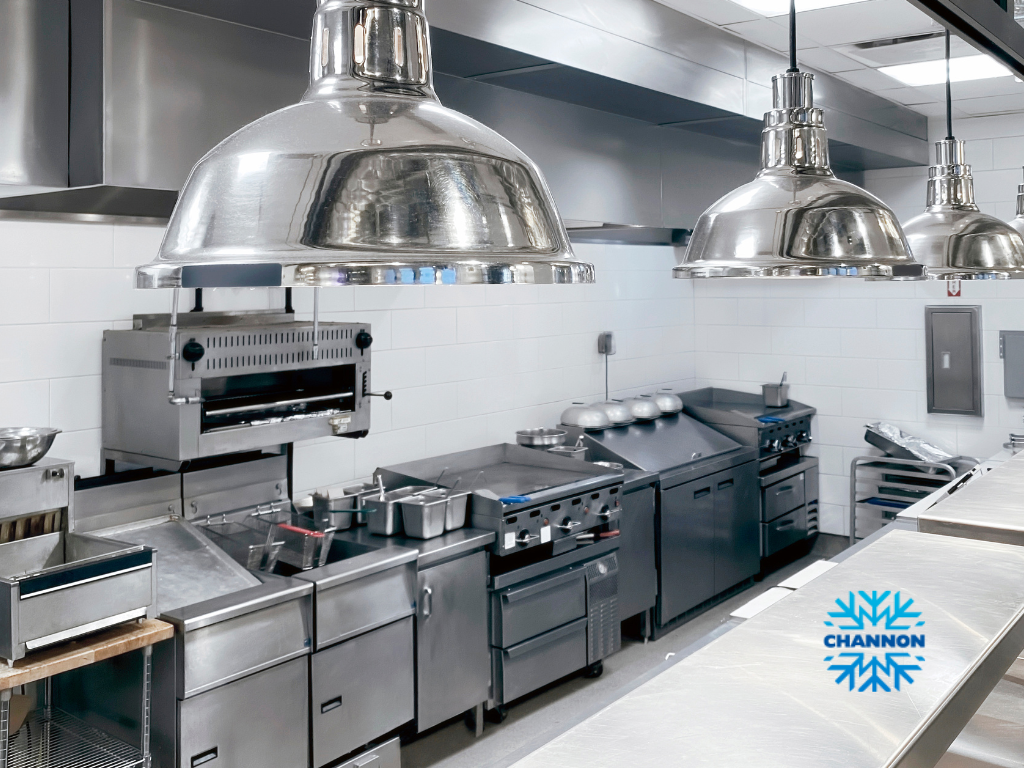
Commercial gas ovens are common in restaurants, cafés, bakeries, and food service businesses. Still, they are not the only option. The right cooking equipment depends on your menu, kitchen services, space, ventilation, and preferred cooking result.
Some kitchens rely heavily on gas cooking. Others use electric ovens, convection ovens, combi ovens, fryers, grills, induction equipment, or a mix of appliances. The best setup supports the menu without crowding the kitchen.
When commercial gas ovens may suit your kitchen
Commercial gas ovens may suit businesses that need strong heat output or traditional cooking methods. They may also suit chefs who prefer the way gas equipment performs. Restaurants, bakeries, pizza shops, catering kitchens, and high-volume food businesses may consider them.
Gas equipment needs proper planning. Check ventilation, connection requirements, installation conditions, and safety duties before ordering. Not every site suits every gas appliance.
Compare running costs, cooking performance, maintenance needs, and staff familiarity. A gas oven may suit one business but not another. Another type of equipment may handle the menu better.
When other cooking equipment may be a better fit
Electric ovens, convection ovens, and combi ovens may suit some kitchens better. They can work well for consistent cooking, baking, steaming, roasting, or reheating. Combi ovens can offer flexibility. Convection ovens may suit cafés, bakeries, and food businesses that need even heat.
Fryers, grills, hot plates, salamanders, and cooktops may also be needed. A burger shop may prioritise grills and fryers. A café may need a smaller cooking line for breakfast and lunch. A bakery may focus on ovens, mixers, and proofing equipment.
The most practical approach is simple. List your menu items first. Then match each item to the equipment needed to prepare it well. This helps you avoid buying equipment that looks impressive but does not support what you sell.
How to Choose the Right Supplier or Service
The right supplier can make equipment selection much easier. A good supplier can help you think through product suitability, layout, service needs, installation conditions, and future growth. This is useful when you compare several equipment types or plan a new food business.
For hospitality fitout Sydney projects, supplier advice can help you avoid common mistakes. These may include ordering too early, choosing the wrong size, or missing key installation details.
Match the supplier to your project stage
Your project stage affects the help you need. If you are opening a new café, you may need café setup services. These services can help plan equipment from the front counter to the back kitchen.
If you are renovating a restaurant, you may need help replacing old equipment while keeping the layout practical. If you are setting up a bakery, you may need advice on bakery equipment, production flow, cooling space, and display.
Already have plans from a designer or builder? A supplier can help check whether the selected equipment suits the space and services. If you do not have a layout yet, you may need broader commercial kitchen design Sydney guidance before choosing major equipment.
Early advice can help you avoid expensive changes later.
Ask about product suitability, servicing, and support
When comparing suppliers, ask whether the equipment suits your menu, expected volume, available services, and floor space. Also ask about warranty, servicing, delivery, installation support, spare parts, and after-sales help.
For Sydney and Western Sydney food businesses, Channon can be a useful company to contact when choosing commercial kitchen equipment. This may include equipment for cafés, restaurants, bakeries, and hospitality kitchens. It can also help when comparing commercial cooking equipment Sydney options, commercial gas ovens, refrigeration, dishwashing, and bakery equipment.
The aim is not only to buy equipment. The aim is to choose products that support daily operations, fit the space, and help staff work with fewer delays.
When to Contact a Commercial Kitchen Equipment Supplier
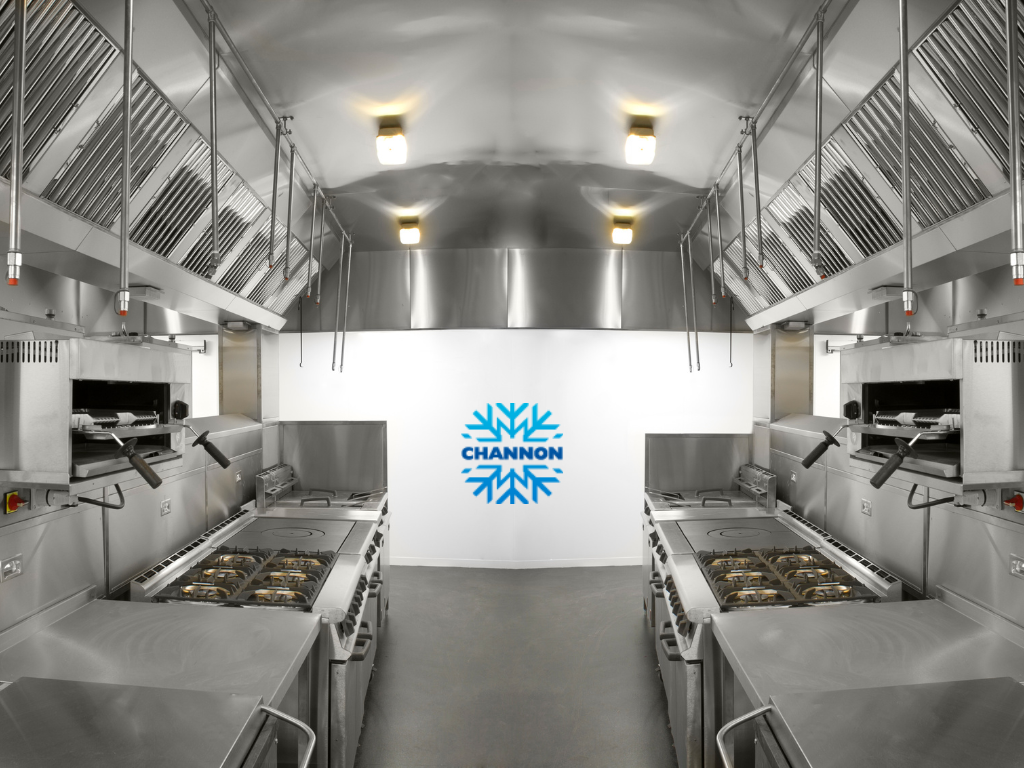
Contact a commercial kitchen equipment supplier before your equipment choices are locked in. Many problems happen when businesses choose equipment after the layout is already final. Other issues occur when appliances are bought before checking space, services, ventilation, and workflow.
Early advice can help you choose equipment that fits well, supports your menu, and avoids costly fitout changes.
Contact a supplier before finalising your layout
If you are planning a new café, restaurant, bakery, takeaway shop, or hospitality fitout, speak with a supplier before you finalise the kitchen layout. This gives you a chance to confirm equipment sizes, clearance needs, access points, installation needs, and service connections.
Also ask whether the proposed equipment can handle your expected customer volume. A fridge that is too small can limit stock. An oven that cannot keep up can slow service. A dishwasher that is too slow can cause delays once the business opens.
For new operators, early advice can help separate essential equipment from items that can wait. This is useful when the budget is limited. It helps the business focus on the equipment that matters most at opening.
Contact a supplier when replacing or upgrading equipment
Existing food businesses should contact a supplier when equipment becomes unreliable, too small, hard to clean, slow during service, or unsuitable for the menu. These signs may show that the kitchen needs an upgrade instead of another short-term fix.
You may also need advice if your business is growing. A café adding hot food may need extra cooking equipment. A restaurant increasing takeaway orders may need better refrigeration and prep space. A bakery expanding production may need larger ovens, mixers, proofers, or display equipment.
Before speaking with a supplier, prepare the main details of your business. Include your menu, kitchen size, available services, current equipment problems, preferred budget, and timing. These details help the supplier give more useful advice.
Choosing commercial kitchen equipment Sydney businesses can depend on means more than buying appliances. It means planning the right setup for your food, space, workflow, staff, and customers. With the right advice, you can choose equipment that supports your business from the first day of service and remains useful as your needs grow.
