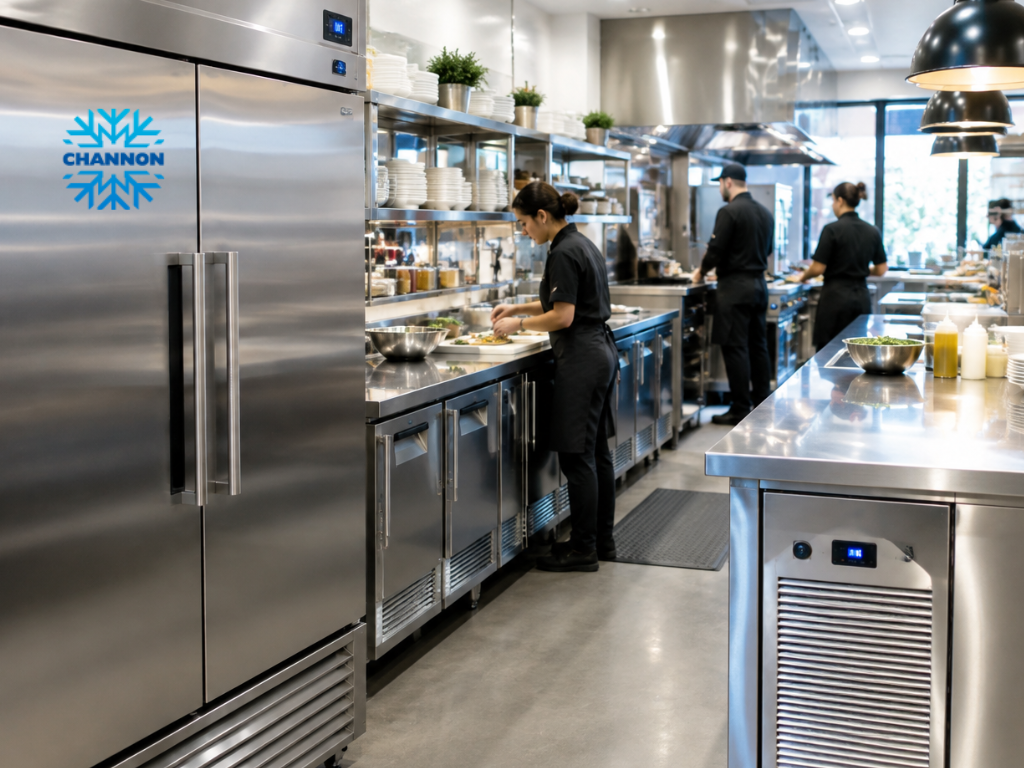
Opening a new café involves several important financial decisions, from fitting out the kitchen to purchasing equipment that supports daily food preparation and service. Commercial refrigerator financing can help Australian café owners spread the cost of essential refrigeration equipment rather than paying the entire purchase price upfront.
Commercial refrigeration is an important part of food safety and everyday café operations. Depending on the menu and business layout, a café may need upright refrigerators, underbench fridges, refrigerated display cabinets, freezers or specialized cold storage.
These products can represent a significant part of the initial equipment budget, particularly when combined with cooking appliances, coffee machines, furniture and other fit-out expenses.
Financing provides an alternative to purchasing equipment outright, but it also introduces repayment obligations and contractual conditions that business owners need to understand.
Before committing to an arrangement, it is worth comparing the available finance options, selecting equipment that meets the café’s requirements and calculating the total cost of ownership or use.
Understanding Commercial Refrigerator Financing in Australia
Commercial refrigerator financing generally involves obtaining refrigeration equipment through an arrangement that allows the business to pay over an agreed period.
Depending on the provider, this may involve an equipment loan, commercial lease, rental agreement or rent-to-own arrangement.
Each option has different conditions regarding ownership, repayment amounts, maintenance responsibilities and what happens when the agreement ends.
With an equipment loan, the business typically purchases the refrigerator using borrowed funds and repays the loan according to the lender’s terms.
Under a lease or rental arrangement, the equipment may remain the property of the finance or rental provider throughout the agreement.
Some agreements provide an option to purchase the equipment at the end of the term, while others require it to be returned or the arrangement renewed.
These differences matter because a lower initial payment does not necessarily result in a lower overall cost.
Business owners should examine the agreement carefully and understand their obligations before committing.
Why Refrigeration Costs Matter When Opening a Café
A new café must balance equipment purchases against the money needed for everyday operations.
Even after the initial fit-out is completed, the business may have ongoing expenses involving wages, ingredients, utilities, insurance and supplier payments.
Paying for several major appliances upfront can reduce the amount of working capital available for these expenses.
Commercial refrigerator financing may allow café owners to retain more cash during the early stages of trading, provided the repayments remain affordable.
However, financing does not eliminate the equipment cost. Depending on the arrangement, the business may pay interest, administration fees or other charges.
The right decision depends on the café’s available funds, expected operating expenses and the equipment’s importance to daily operations.
Before choosing finance, owners should identify what refrigeration is genuinely required for opening day and what equipment could reasonably be added later.
Comparing Finance, Leasing and Rent-to-Buy Options
Several payment arrangements may be available when purchasing commercial refrigeration equipment in Australia.
Understanding how they differ can help café owners select an option that suits their cash flow and longer-term business plans.
When comparing commercial refrigerator financing, it is important to consider ownership, flexibility and total costs rather than focusing only on advertised repayments.
How Commercial Fridge Leasing and Rent-to-Buy Work
A commercial fridge lease generally allows a business to use refrigeration equipment for an agreed period in exchange for regular payments.
Depending on the agreement, the equipment may remain owned by the leasing company, and the café may need to return it, renew the lease or consider an end-of-term purchase option.
Some leases may include servicing arrangements, while others make the business responsible for maintenance and repairs.
A rent to buy commercial fridge arrangement is different because it is typically structured to provide a pathway towards ownership.
However, ownership transfer is not automatic under every agreement. The contract may require a final payment, purchase option or other conditions to be satisfied.
Café owners should confirm whether the agreement provides ownership at the end of the term and how much they will have paid overall.
A commercial fridge on rent may suit a business that needs equipment temporarily, is testing a concept or requires additional refrigeration for a limited period.
Rental arrangements can offer flexibility, although minimum terms, delivery charges and early termination conditions may apply.
The specific contract determines the rights and responsibilities of both parties.
Buying Outright Versus Renting Commercial Refrigeration
Purchasing a commercial refrigerator outright gives the business ownership of the equipment without ongoing finance repayments.
This may be suitable for an established café with sufficient available funds or a new business that wants to minimize future payment obligations.
Ownership also means the business generally takes responsibility for maintenance, servicing and repairs, subject to warranties and other protections.
Renting or leasing may reduce the initial cash commitment but can create ongoing expenses over the agreement term.
For example, a café that expects to use the same refrigeration equipment for many years may find that purchasing offers better long-term value, depending on the actual costs.
Another business may prefer an arrangement that preserves working capital during its first year of operation.
When comparing options, calculate the total payments over the agreement term and check what happens if the café closes, relocates or no longer needs the equipment.
The most appropriate arrangement depends on both the financial commitment and the business’s plans.
Choosing Refrigeration Equipment for Your Café
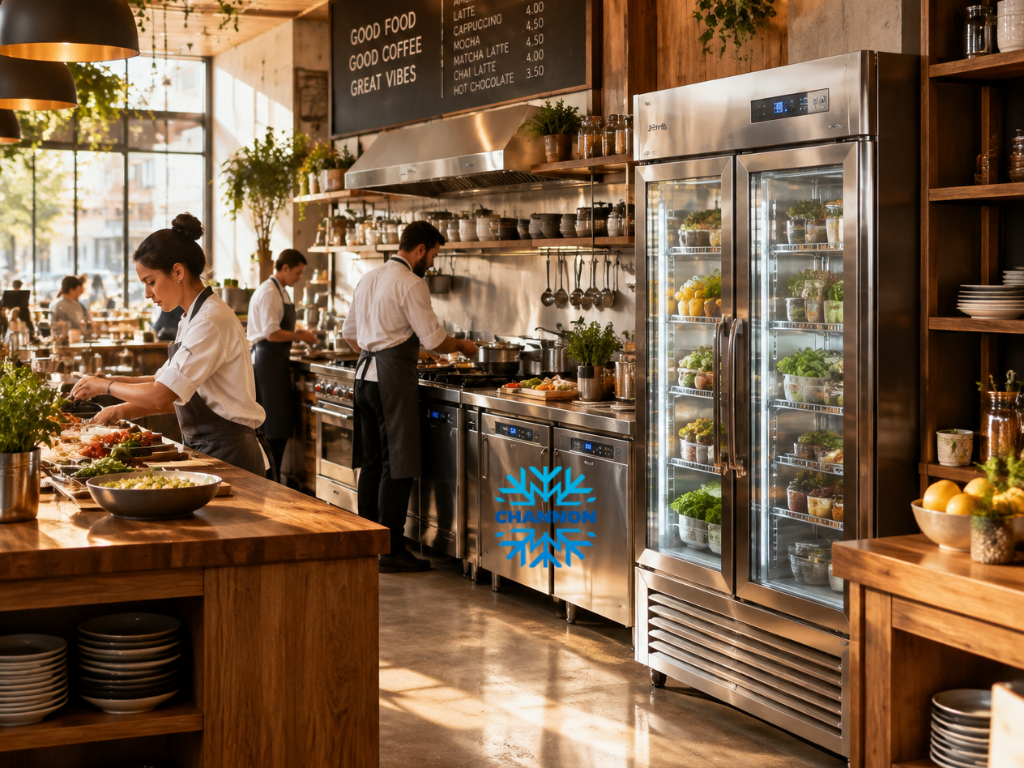
Selecting the correct refrigerator is just as important as choosing how to pay for it.
A financing arrangement may appear affordable, but unsuitable equipment can create operational problems, additional installation expenses or the need for early replacement.
Commercial refrigerator financing should therefore begin with a clear understanding of the café’s food storage, preparation and service requirements.
Comparing Upright, Underbench and Display Refrigerators
Upright commercial refrigerators are commonly used for storing ingredients, dairy products, prepared foods and other refrigerated items.
Their vertical design can provide substantial storage without occupying as much floor area as some wider refrigeration systems.
Underbench refrigerators are useful where refrigerated ingredients need to remain close to food preparation or service areas.
They can help make effective use of space in smaller kitchens, although internal capacity and ventilation requirements must be considered.
Refrigerated display cabinets serve a different purpose. These units allow customers to view products such as cakes, sandwiches and chilled beverages while maintaining suitable storage conditions.
A display refrigerator should be selected according to the type of food being offered, required temperatures, access arrangements and presentation needs.
Freezers may also be necessary for cafés storing frozen ingredients, desserts or prepared products.
Under Australian food safety requirements, potentially hazardous food generally needs to be stored at 5°C or colder unless a business can demonstrate that another temperature control system is safe.
Frozen food must remain frozen, and refrigeration equipment should be capable of maintaining the conditions required for the food being stored.
Business owners should also consider door access, internal shelving, cleaning requirements, energy consumption and the manufacturer’s installation instructions.
When comparing commercial refrigeration equipment for sale, these practical details help determine whether a product suits the café’s intended operation.
When Commercial Cool Rooms May Be Worth Considering
Not every café requires a cool room.
A small café offering coffee, pastries and a limited range of prepared foods may be able to meet its refrigeration needs with suitable upright, underbench and display units.
Larger cafés, busy food preparation operations and businesses storing substantial quantities of perishable ingredients may benefit from dedicated cold storage.
Commercial modular cool rooms can provide additional refrigerated capacity and may be configured to suit particular premises, subject to design and installation requirements.
However, cool rooms require careful planning.
Available floor space, door access, insulation, refrigeration capacity, electrical supply, drainage and ventilation may all affect the installation.
The business should also consider how frequently staff need to access stored products and whether the cool room can maintain the required temperatures under normal operating conditions.
A refrigeration specialist can help assess whether a cool room or a combination of commercial refrigerators is more suitable.
The decision should be based on actual storage demand rather than assuming a larger refrigeration system is automatically a better investment.
Understanding Finance Costs and Eligibility Requirements

Financing commercial refrigeration can help distribute equipment expenses over time, but café owners need to understand what they are agreeing to pay.
Commercial refrigerator financing arrangements can vary according to the provider, the value of the equipment, the business’s financial circumstances and the contract terms.
Comparing offers carefully is particularly important for new businesses with limited trading history.
What Affects Monthly Repayments and Total Equipment Costs?
The amount paid under a finance agreement depends on several factors.
The equipment purchase price is an important starting point, but other conditions can influence the total cost.
These may include the required deposit, financing charges, interest rate, repayment frequency, agreement term and administration fees.
A longer repayment period may reduce the amount payable each month but can increase the total cost over time.
Some arrangements may include a residual payment or an amount payable at the end of the contract.
For example, a business comparing two finance offers should calculate the deposit, all scheduled repayments, applicable fees and any final payment.
The result can be compared against the outright purchase price and any services included in the arrangement.
It is also important to establish whether installation, freight, servicing or warranty arrangements are included.
A finance quotation covering only the refrigerator may not represent the total amount needed to have the equipment installed and operating.
The complete financial commitment should be considered alongside the café’s expected cash flow.
What New Café Owners Should Know Before Applying
Finance providers may assess several factors before approving an application.
These can include the business’s registration details, trading history, financial position, credit information and the equipment being financed.
A newly established café may have limited financial records, which can affect the finance options available.
Some providers may request additional financial information or security depending on the arrangement.
Catering equipment finance can also have eligibility requirements that differ between established businesses and new operators.
Before applying, café owners should prepare a realistic equipment budget and understand how repayments will fit alongside rent, wages, ingredients and other expenses.
It is worth comparing more than one offer and reading the full terms before signing.
Tax treatment is another consideration.
The deductibility of lease payments, interest, depreciation and other expenses depends on the type of agreement and the business’s circumstances.
A registered tax professional or accountant can help determine how the proposed arrangement should be treated.
No finance arrangement should be assumed suitable simply because the business can meet the initial deposit.
Planning Installation and Ongoing Refrigeration Expenses
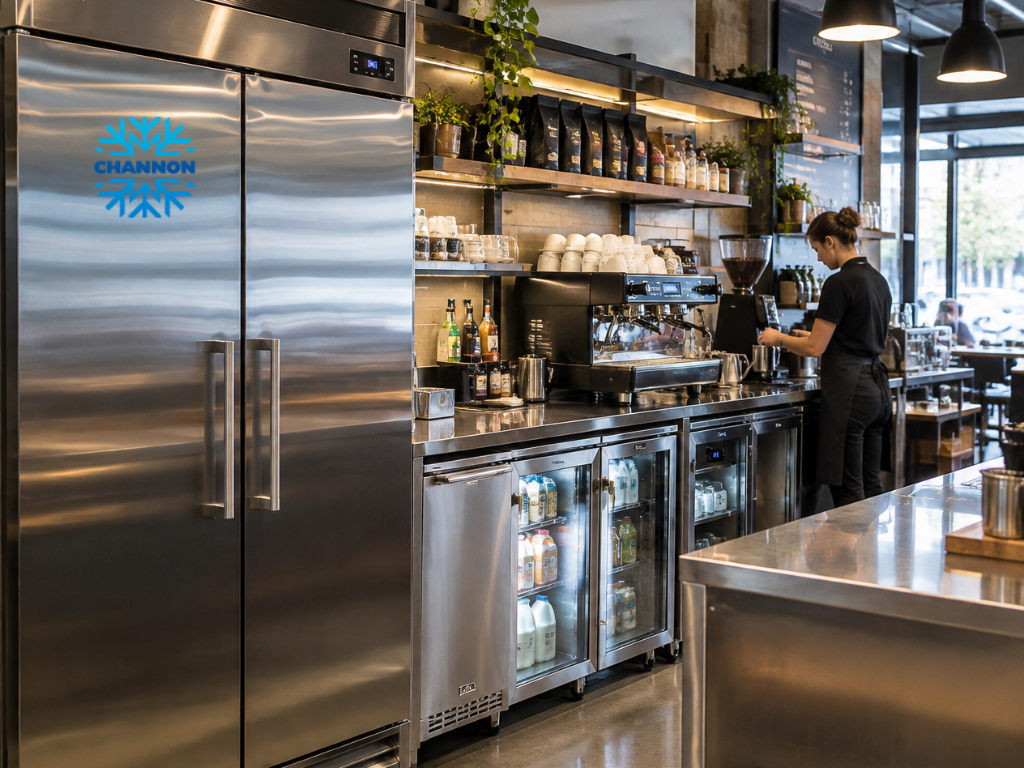
The purchase price or finance repayment is only one part of the cost of operating commercial refrigeration.
New café owners should also budget for delivery, installation, electricity, maintenance and possible repairs.
When evaluating commercial refrigerator financing, including these expenses provides a more realistic picture of affordability.
Delivery, Installation and Kitchen Infrastructure Costs
Commercial refrigerators need to fit within the available kitchen or service area and operate under suitable environmental conditions.
Before ordering, measure the proposed installation space and check access through entrances, corridors and other areas used during delivery.
A refrigerator that fits its final location may still be difficult to deliver if access is restricted.
Installation requirements also vary between equipment types.
Some self-contained refrigeration cabinets may have relatively straightforward positioning and electrical connection requirements.
Larger or specialized systems may require professional refrigeration installation, dedicated electrical arrangements, drainage or additional ventilation.
The equipment must have adequate airflow according to the manufacturer’s instructions.
Insufficient ventilation can affect performance, particularly in busy kitchens where ambient temperatures may be high.
For commercial fridges Sydney café owners purchase, freight, access and installation arrangements should be confirmed before the equipment arrives.
These costs may be separate from the finance agreement unless expressly included.
For a new café fit-out, refrigeration planning should also be coordinated with cabinetry, plumbing, electrical work and food preparation layouts.
Early coordination can help avoid equipment being positioned where doors cannot open fully or ventilation clearances are inadequate.
Maintenance, Energy Consumption and Repair Responsibilities
Commercial refrigeration equipment often operates continuously, making electricity consumption an important ongoing consideration.
Energy use varies according to the equipment model, temperature settings, ambient conditions and operating patterns.
A refrigerator’s purchase price should therefore be considered alongside its expected running costs.
When comparing products, review available energy consumption information and the manufacturer’s specifications.
Maintenance responsibilities should also be clarified before signing a finance or rental agreement.
Some arrangements include particular servicing provisions, while others require the café owner to organize and pay for maintenance.
Routine care may involve cleaning accessible condenser components where permitted by the manufacturer, checking door seals and monitoring cabinet temperatures.
Technical repairs and work involving refrigerants should be undertaken by appropriately licensed or authorized technicians.
Commercial refrigeration also plays an important role in food safety.
Regular temperature checks and suitable food storage procedures help businesses identify problems before they compromise refrigerated stock.
For new cafés, having a process for responding to equipment faults is particularly important because refrigeration failures can affect food safety and interrupt service.
Avoiding Common Financing and Equipment Mistakes
Choosing refrigeration equipment under a finance agreement requires careful consideration of both the contract and the product.
A mistake in either area can create ongoing expenses or leave the café with equipment that does not meet its operational needs.
Commercial refrigerator financing should support the business rather than create avoidable financial pressure.
Comparing Total Costs Instead of Monthly Payments Alone
A low advertised monthly payment can appear attractive when a café is managing startup costs.
However, it does not necessarily mean the equipment is less expensive.
The total amount paid may be affected by the contract term, interest, fees, residual payments and ownership conditions.
Business owners should also examine what happens if they wish to end the agreement early.
Some contracts may require outstanding payments or early termination charges.
The agreement may also contain conditions relating to equipment damage, servicing, insurance or acceptable use.
Before signing, compare the total financial commitment with buying outright and any other available finance or rental options.
Where the terms are unclear, seek clarification from the provider and consider independent financial or legal advice.
A suitable agreement should be affordable under realistic business conditions, not only during the café’s expected busiest trading periods.
Matching Refrigeration Capacity to Actual Café Demand
Another common mistake is selecting refrigeration equipment without properly assessing storage requirements.
A unit that is too small may lead to overcrowding, frequent restocking and difficulty maintaining appropriate food storage arrangements.
Oversized equipment may occupy valuable kitchen space and create unnecessary costs.
The café’s menu, expected stock quantities, delivery frequency and food preparation processes should guide equipment selection.
For example, a café preparing sandwiches, salads and other fresh foods may need different storage arrangements from one focused mainly on coffee and packaged drinks.
Storage should also allow appropriate separation of raw and ready-to-eat foods where necessary to prevent contamination.
It is important to consider how refrigeration requirements may change as the café develops.
However, future growth should be assessed realistically rather than used to justify purchasing equipment substantially beyond current needs.
A supplier with experience in commercial refrigeration can help explain the available equipment categories and relevant technical specifications.
Choosing an appropriate unit from the beginning can reduce the likelihood of unnecessary replacement or additional purchases.
Making an Informed Refrigeration Investment
Opening a café involves balancing operational requirements with the financial resources available.
Commercial refrigerator financing can be one way to obtain essential equipment while managing startup expenditure, but the arrangement should suit the café’s actual needs and budget.
The final decision should consider equipment specifications, contract conditions, installation requirements and ongoing operating costs.
Questions to Ask Before Choosing a Refrigeration Supplier
A suitable refrigeration supplier should be able to provide clear information about the equipment being considered.
Café owners should understand the unit’s intended use, storage capacity, operating temperature range, dimensions, electrical requirements and installation conditions.
Warranty information and access to servicing should also be considered.
Where financing or rental is available, ask who provides the agreement, what payments are required and whether the business will own the equipment at the end of the term.
It is equally important to establish which party is responsible for maintenance, repairs, insurance and any end-of-term charges.
Channon supplies commercial refrigeration and catering equipment for Australian hospitality businesses, including cafés, restaurants and other food service operations.
Its range includes commercial refrigerators, freezers, refrigerated display equipment and larger refrigeration solutions.
Channon also advertises rental and financing methods, alongside refrigeration design, equipment supply, installation and servicing.
Businesses can explore Chanson’s commercial refrigeration range to review the available equipment categories and discuss their requirements.
As finance conditions can vary, customers should confirm the available arrangements, eligibility requirements and full contract terms directly before proceeding.
Choosing Commercial Refrigerator Financing for Your Café
The right financing decision should start with selecting the correct equipment for the café.
Once refrigeration requirements have been established, the business can compare the cost of purchasing outright with suitable finance, leasing or rental arrangements.
The comparison should include the total contract cost, repayment obligations, ownership conditions and ongoing operating expenses.
New café owners should also consider whether their equipment budget leaves sufficient working capital for everyday business expenses.
For a small café, an upright refrigerator and underbench unit may meet immediate requirements. For a larger operation, additional display refrigeration or a cool room may be worth considering.
There is no single equipment combination or financing arrangement that suits every hospitality business.
If you are planning a café fit-out or comparing commercial refrigeration options, visit Channon to explore its refrigeration and catering equipment solutions.
You can also contact Channon to discuss your planned café, request equipment information and enquire about available purchasing, rental or financing arrangements.
Taking the time to compare equipment suitability, installation requirements and total financial commitments can help you make a more informed investment and prepare your café for day-to-day operations.
