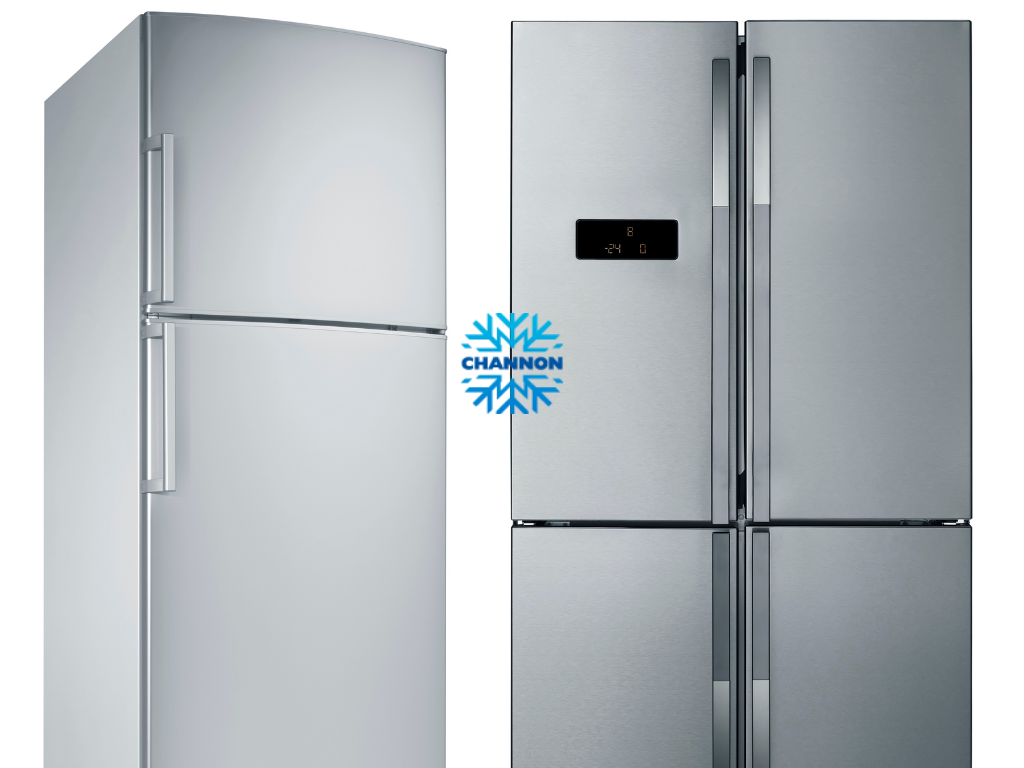
Choosing the right commercial freezer can make daily food service easier, safer, and more organised. For cafés, restaurants, bakeries, takeaway shops, gelato stores, and food retailers, freezer space affects stock control, delivery planning, menu consistency, food safety, and staff workflow.
A tekna freezer may be considered by businesses that need reliable frozen storage or display refrigeration for hospitality use. However, the right choice depends on more than the brand name. You also need to think about size, temperature range, access, storage layout, energy use, servicing, warranty, and whether the freezer suits your real kitchen routine.
This guide explains how to compare freezer options, when to consider larger refrigeration systems, and what to ask before choosing a supplier in Sydney.
A commercial freezer should match the way your business operates each day. Before comparing models, think about what you need to store, how often staff will access the unit, and how much frozen stock arrives in each delivery.
A freezer that suits a small café may not suit a busy restaurant. A freezer used for backup stock may not suit a customer-facing dessert display. The best choice is the one that fits your menu, storage volume, staff workflow, and available space.
Match the freezer to your menu and stock
Start with the food you need to store. A café may need frozen pastries, desserts, fruit, ice, or backup ingredients. A restaurant may need meat, seafood, sauces, prepared batches, frozen vegetables, or desserts. A gelato or pastry business may need more specific frozen storage or display conditions.
Your delivery schedule also matters. If you receive small deliveries often, you may not need the same freezer capacity as a venue that stores bulk stock for the week. If you prepare food in batches, you may need more organised shelf space and better stock rotation.
It is helpful to estimate your busiest week, not your quietest week. This gives you a more realistic idea of freezer capacity and helps prevent overcrowding.
Think about daily access and workflow
A freezer should be easy for staff to use during service. If staff need to open the door many times during a rush, the freezer should be placed where it does not block the cooking line, preparation bench, dishwashing area, or customer service path.
Door swing, shelf layout, handle position, and loading height all matter. A freezer that technically fits in the room may still be awkward if the door cannot open fully or staff need to move other equipment to access it.
Good workflow also supports food safety. Staff should be able to load, label, rotate, and remove frozen stock without leaving the door open longer than needed.
Know Where a Tekna Freezer May Fit
A tekna freezer may suit some hospitality businesses that need commercial-grade frozen storage or display refrigeration. Like any commercial refrigeration purchase, it should be compared against your specific use case.
Before buying, check whether the freezer is designed for back-of-house storage, customer-facing display, specialist dessert use, or general frozen stock. The product type should match the way the freezer will be used every day.
Common hospitality uses
A tekna freezer may be useful for businesses storing frozen desserts, gelato-related products, pastry items, frozen ingredients, batch-prepared food, or backup stock. Some venues may also look at Tekna refrigeration when they need display presentation as well as temperature control.
A restaurant may use a commercial freezer for ingredients and preparation stock. A café may use it for pastries, desserts, or ice. A food retailer may need frozen storage that supports both product visibility and reliable holding conditions.
The important point is to choose based on use. A freezer for long-term frozen storage is different from a freezer used for frequent service access or product display.
What to check before buying
Before choosing a freezer, check the external size, internal capacity, temperature range, door type, shelving, clearance requirements, power needs, warranty terms, and service access.
You should also ask whether the unit suits the ambient conditions of your kitchen or retail space. Some commercial refrigeration units may perform differently depending on room temperature, ventilation, loading habits, and door-opening frequency. If this affects a specific model, confirm it before purchase.
Ask about cleaning access too. A freezer used every day should be easy to wipe down, inspect, and maintain. If staff cannot clean around it properly, daily operations become harder.
Compare Freezers with Other Refrigeration Options
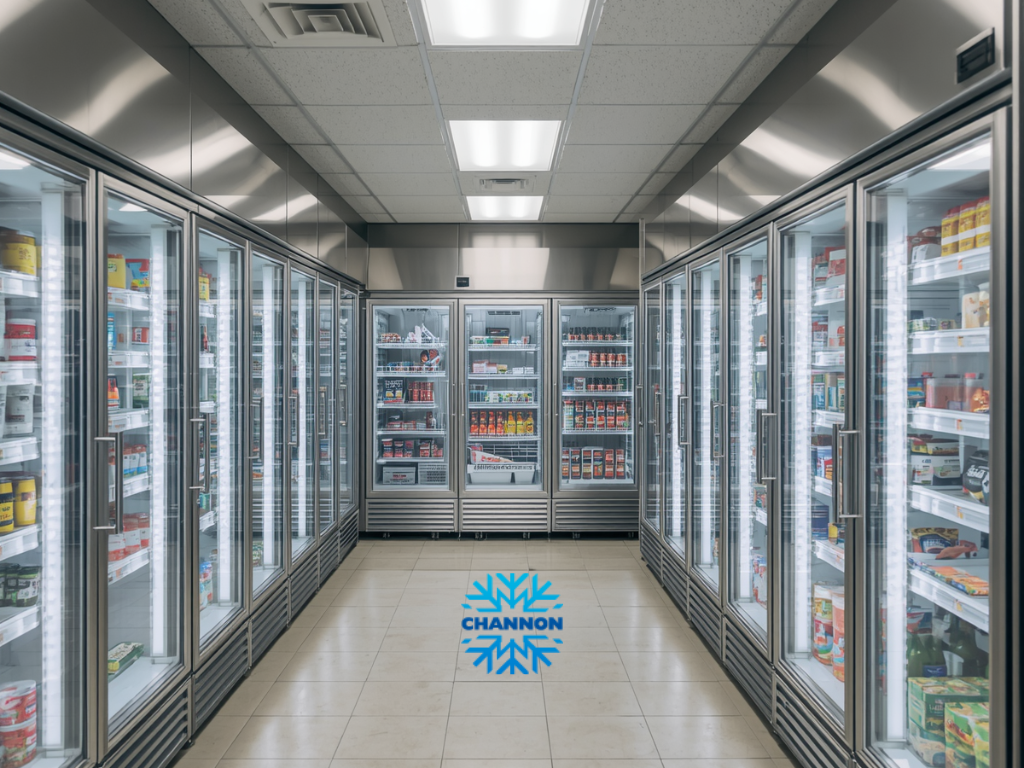
A tekna freezer may be one option, but it is not the only refrigeration choice. Some businesses need upright freezers. Others need display freezers, under-bench units, commercial fridges, or cool rooms.
The best choice depends on space, stock volume, access, and whether the unit is used by staff only or seen by customers.
Upright freezers, display freezers, and under-bench units
Upright freezers are often useful for back-of-house storage because they provide organised vertical space. They may suit kitchens that need shelf access without taking up too much floor area.
Display freezers are useful when customers need to see products, such as frozen desserts or packaged frozen items. In this case, presentation, lighting, glass clarity, and access become more important.
Under-bench units may suit smaller kitchens where space is tight and staff need frozen items close to the preparation area. However, they may not provide enough storage for larger venues.
When comparing commercial fridges sydney and freezer options, think about the full refrigeration setup. A business may need a mix of upright storage, under-bench access, display refrigeration, and backup freezer capacity.
When commercial modular cool rooms make more sense
Commercial modular cool rooms may be a better option when freezer cabinets are no longer enough. This can happen when a venue stores bulk stock, receives large deliveries, runs high-volume production, or needs better separation between product types.
A cool room can provide more storage capacity and easier access for larger operations. However, it also requires more planning. You need to consider floor space, panels, doors, drainage, refrigeration systems, installation, access, and ongoing servicing.
If your team is constantly overfilling upright freezers, struggling with stock rotation, or moving frozen goods between several small units, it may be time to compare freezer cabinets with a larger cool room option.
Plan Around Food Safety and Temperature Control
Freezer and refrigeration choices directly affect food safety. Food businesses should store and display food under the correct temperature conditions for the product type and follow current food safety requirements.
Good freezer planning supports safer storage, cleaner workflow, and better stock control.
Why temperature control matters
Temperature control helps reduce food safety risks. If frozen or chilled food is stored incorrectly, quality can decline and safety risks may increase.
A commercial freezer should hold the required conditions for the product being stored. It should also recover temperature properly after door openings, deliveries, or restocking.
Staff should understand how to check and record temperatures where required. If your business has a food safety program or council inspection requirements, confirm the exact monitoring expectations before relying on a new process.
Build good storage habits
Good storage habits help the freezer perform properly. Stock should not be packed so tightly that airflow is blocked. Items should be labelled clearly and rotated so older stock is used first.
Staff should avoid leaving doors open longer than needed. Deliveries should be loaded quickly and safely. The freezer should be cleaned regularly, and any damaged seals, unusual noises, or temperature changes should be checked early.
These habits help protect food quality and reduce the risk of avoidable breakdowns.
Budget, Financing, and Long-Term Value
Price matters, but the cheapest freezer is not always the best choice. A freezer that is too small, hard to service, or unsuitable for your kitchen may cost more over time through downtime, wasted stock, inefficient workflow, or early replacement.
A good buying decision should consider both upfront cost and long-term value.
Purchase price versus daily operating cost
When comparing freezer options, think about energy use, service access, cleaning time, capacity, warranty, and how the unit supports daily operations.
A freezer that fits your stock properly may reduce crowding and make stock rotation easier. A unit with better access may save staff time. A product with suitable support may reduce stress if something goes wrong.
If energy efficiency is important to your business, ask the supplier for relevant product details and compare models before purchase. Any specific energy savings claim should be checked against product documentation.
When commercial refrigerator financing may help
Commercial refrigerator financing may help businesses that need equipment now but want to manage cash flow. This can be useful for new cafés, restaurants, food retailers, or businesses upgrading several pieces of equipment at once.
Financing can also help when refrigeration is part of a larger fitout. Instead of delaying important freezer or fridge purchases, a business may be able to spread payments while keeping working capital available.
Before choosing finance, compare the total cost, repayment terms, ownership conditions, and any fees. The right option depends on your cash flow, business stage, and equipment needs.
Choose the Right Supplier in Sydney
Choosing the right supplier is just as important as choosing the freezer. A good supplier should help you compare options based on your space, stock volume, temperature needs, budget, and service expectations.
For businesses searching for commercial refrigeration sales sydney, the goal should be to find a supplier that understands hospitality use, not just product sales.
What to compare before choosing
Compare the supplier’s product range, refrigeration knowledge, delivery options, installation guidance, warranty support, service network, and after-sales help.
Ask whether they can help with broader commercial refrigeration sydney needs beyond one freezer. For example, your business may also need commercial fridges, display refrigeration, under-bench units, cool rooms, or future service support.
It is also useful to ask practical questions. Will the freezer fit through the entry? Does it need special clearance? Is the power supply suitable? Is there enough ventilation? Can the supplier help if the freezer needs servicing?
These questions help you avoid buying a freezer that looks right online but does not suit the site.
Where Channon refrigeration may be useful
Channon refrigeration may be useful for Sydney businesses comparing commercial freezer and refrigeration options, including commercial fridges sydney, commercial refrigeration sydney, and larger hospitality equipment needs.
This may suit cafés, restaurants, takeaway venues, caterers, bakeries, food retailers, and hospitality operators that need help choosing freezer capacity, refrigeration layout, and related equipment.
If you are comparing a tekna freezer with other commercial refrigeration options, it can help to speak with a supplier about stock volume, space, delivery access, warranty, installation, and service requirements.
Know When to Contact a Refrigeration Specialist
It is better to contact a refrigeration specialist before the freezer becomes an urgent problem. Waiting until a breakdown or failed inspection can lead to rushed decisions and poor equipment choices.
A specialist can help you compare freezer size, placement, temperature range, service access, and whether your venue needs a cabinet freezer, commercial fridge, display unit, or modular cool room.
