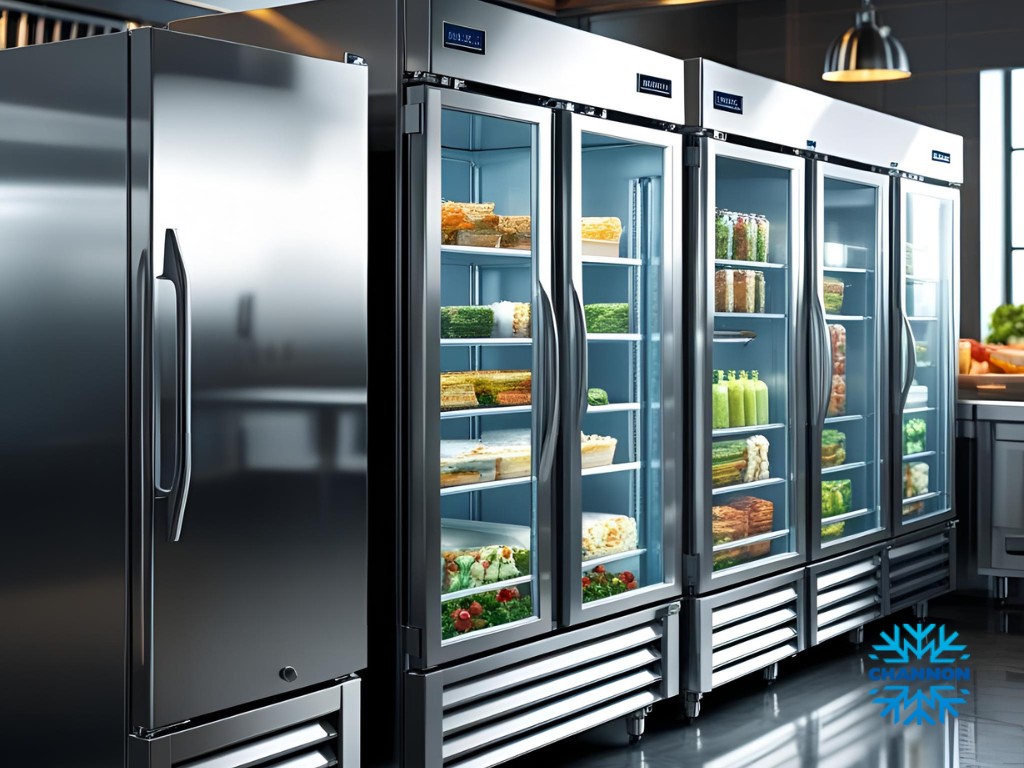
Commercial refrigeration can be one of the larger energy costs in a food business. Restaurants, cafés, supermarkets, hotels, clubs and other food venues often need refrigeration running throughout the day.
The Australian Government notes that refrigeration can account for 25% to 85% of total energy use in some businesses. This means even small improvements can be worth investigating. However, reducing energy use should never come at the expense of correct food temperatures.
For NSW food businesses, potentially hazardous cold food generally needs to stay at 5°C or below. Food intended to remain frozen must stay frozen.
Businesses comparing commercial refrigeration sydney options therefore need to think about efficiency and food safety together.
The best place to start is often with the equipment you already have.
Check temperature settings before changing equipment
Running refrigeration colder than required can increase energy use.
This does not mean turning temperatures up without considering the food being stored. Instead, check whether the equipment is operating at an appropriate setting for its purpose.
Australian Government energy guidance says refrigeration set-points should not be colder than the ideal temperature and humidity required. It also recommends checking thermostat and defrost settings.
For NSW food businesses, cold potentially hazardous food generally needs to remain at 5°C or below.
A business should therefore check both the equipment setting and the actual food temperature.
NSW Food Authority also requires businesses handling potentially hazardous food to have an accurate, readily accessible probe thermometer.
If a cabinet struggles to maintain the required temperature, simply adjusting the thermostat may not solve the cause. A technician may need to check the equipment.
Look for everyday habits that increase energy use
Daily operating habits can make refrigeration work harder.
Frequent door opening allows cold air to escape. Poorly arranged stock can restrict airflow. Heat from nearby equipment can also increase the cooling load.
The Australian Government recommends avoiding overstocking and keeping air grilles clear. It also advises businesses to reduce heat gain from nearby equipment and sunlight.
Staff routines matter too.
If team members spend a long time searching through a cool room, the door may remain open longer than necessary. Better stock organisation can shorten access time.
These are simple changes. They do not require lowering food-safety standards.
Instead, they help the refrigeration system do its normal job with less unnecessary strain.
Keep commercial refrigeration equipment Clean and Well Maintained
Maintenance plays an important role in both energy performance and temperature control.
Australian Government guidance recommends scheduled cleaning and maintenance of refrigeration equipment. It states that regular servicing can support energy efficiency and temperature control while reducing system problems.
The maintenance required will depend on the system.
A small upright cabinet has different components and service needs from a large cool room or central refrigeration plant.
Airflow should also remain clear.
For example, the government refrigeration guide notes that condensers and heat exchangers should have good airflow so heat can be discharged effectively.
Follow the manufacturer’s service recommendations for the equipment you operate.
If the unit has started behaving differently, do not assume cleaning alone will fix it. A qualified technician should diagnose faults that go beyond routine maintenance.
Fix performance problems before they become harder to manage
Pay attention when refrigeration behaviour changes.
A cabinet that takes longer to cool, develops unusual ice, makes unfamiliar noises or struggles to hold its usual temperature deserves investigation.
Temperature records can be useful here.
Instead of waiting until food feels warmer than expected, compare actual readings over time. The Australian Government recommends monitoring refrigeration performance and system temperatures as part of good energy management.
Repeated temperature problems can have several causes.
The issue could relate to airflow, controls, seals, components or another part of the refrigeration system.
A technician can inspect the unit and explain whether it needs servicing, repair or a larger upgrade.
Early diagnosis also gives the business more time to plan the work instead of waiting for a complete breakdown during a busy service period.
Organize Stock Without Blocking Cold-Air Circulation
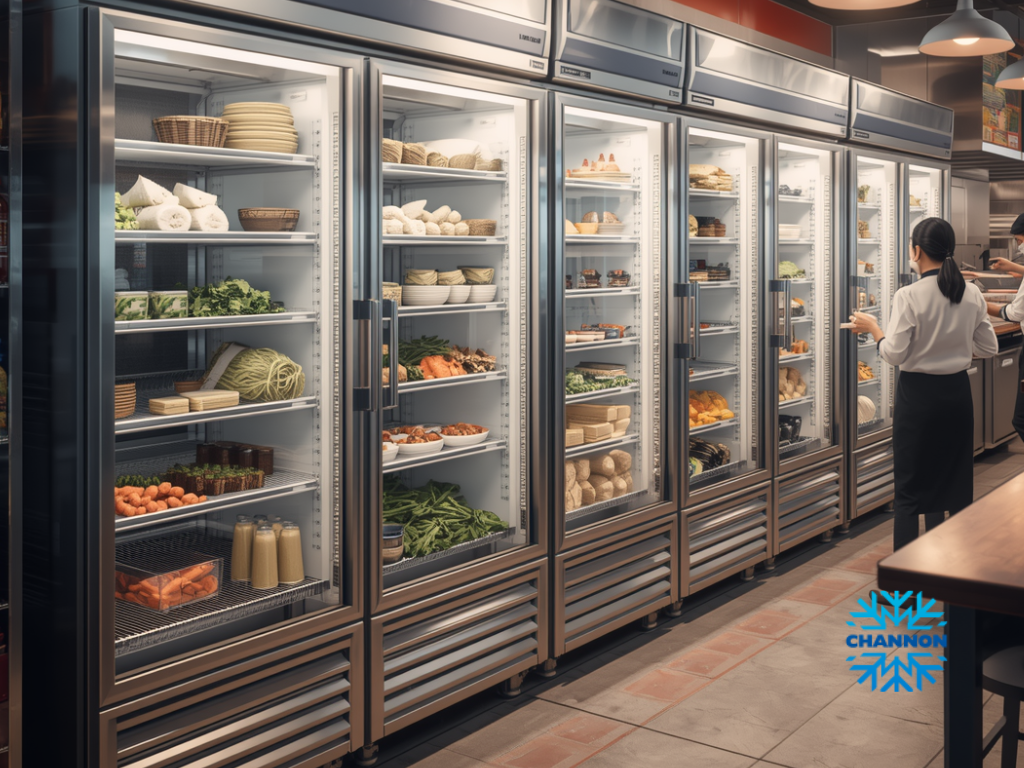
Avoid overloading commercial fridges sydney businesses rely on
A fridge with unused space may look inefficient, but filling every available gap can create another problem.
Cold air needs to circulate.
The Australian Government specifically recommends avoiding overstocking and keeping air grilles free from obstruction.
This is especially important in busy hospitality and food retail environments.
Do not push cartons, containers or ingredients directly against air outlets simply to fit more stock inside.
Instead, use the cabinet according to its intended capacity and layout.
Also consider whether the existing fridge still suits the business.
If staff regularly struggle to fit normal stock levels inside the cabinet, the problem may be capacity rather than organisation.
That can be a sign that it is time to compare larger or additional refrigeration options.
Make frequently used products easier to access
Stock placement can improve workflow as well as refrigeration efficiency.
Frequently used products should be easy for staff to locate.
When team members know where ingredients are stored, they can open the fridge, collect what they need and close the door sooner.
Clear stock rotation also helps.
Products that disappear behind newer deliveries can create waste and clutter. They may also encourage staff to spend longer searching inside the cabinet.
The same principle applies to cool rooms.
Arrange stock so the items used most often are accessible without blocking airflow or forcing staff to move several cartons during every visit.
Good refrigeration management is partly about the machine and partly about how the team uses it each day.
Improve the Efficiency of Cool Rooms and Cold Storage
Cool rooms have different energy demands from small refrigerated cabinets.
Warm air entering the room adds heat that the refrigeration system then needs to remove.
Australian Government guidance states that even small gaps around cool-room panels or wall penetrations can allow warm, moist air to enter. It recommends effective sealing and suitable insulation.
Doorways matter too.
The same guidance recommends rapid-close doors for cool rooms with frequent access and notes that strip curtains can reduce heat gain through doorways.
Businesses considering commercial modular cool rooms should therefore look beyond internal size.
Ask about insulation, doors, sealing, refrigeration capacity and how the room will be used throughout the day.
A larger room is not automatically better.
Australian Government guidance also warns that oversizing refrigerated rooms can increase both initial costs and ongoing energy costs.
Review how staff use the cool room each day
A well-designed cool room can still waste energy if daily use is poorly managed.
Keep the door closed when staff are not entering or leaving.
Arrange stock so workers do not need to spend unnecessary time inside looking for products.
Do not block the evaporator or other areas needed for airflow.
Also think about incoming stock.
The Australian Government advises businesses not to allow products to warm unnecessarily during transfer.
Good receiving procedures can therefore support the refrigeration system.
Move chilled products into appropriate storage promptly. Make sure staff know which room or cabinet each delivery belongs in.
These steps support both efficient operation and safer temperature control.
Choose the Right Refrigeration Equipment for the Job
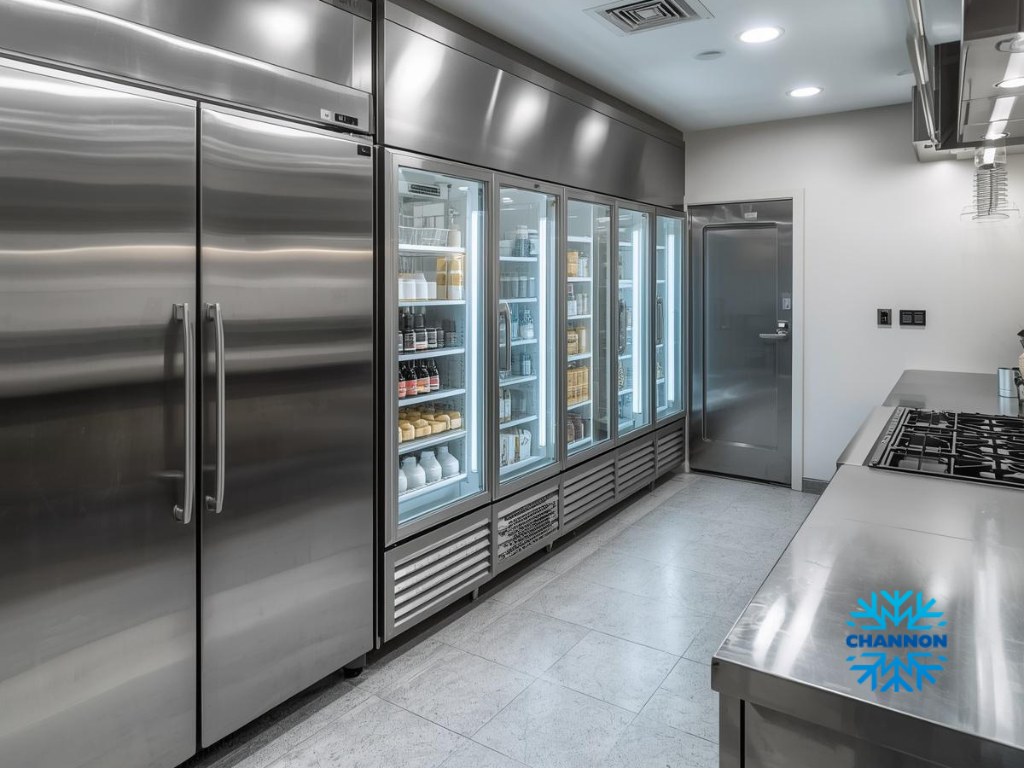
Match equipment capacity to the business
When comparing commercial refrigeration equipment for sale, start with your actual operating needs.
Consider what food or drinks you need to store. Look at stock volume, available space, operating hours and how often staff access the equipment.
Do not choose a unit only because it has the lowest purchase price.
Energy performance also matters because refrigeration can run for long periods.
The Australian Government recommends understanding both current and future business needs when designing a refrigeration system. It also warns that oversized systems can create unnecessary capital and operating costs.
Businesses comparing commercial refrigeration sales sydney options should also look at servicing and support.
Ask whether replacement parts and technical support are readily available. Check warranty terms and confirm what installation work is included.
For refrigerated cabinets, current Australian energy requirements can also help buyers compare equipment efficiency. The government recommends researching energy performance before buying new commercial refrigerated equipment.
Know when specialist chilling or freezing equipment makes sense
Not every food business needs the same cooling equipment.
Standard refrigerated cabinets are designed for chilled storage and display. Other food-production processes may require faster temperature reduction.
A commercial blast chiller is designed for rapid chilling rather than ordinary long-term cabinet storage.
A blast freezer performs a different job again by rapidly taking products into frozen storage conditions.
These systems should be selected around the food process, volume and required workflow.
Channon’s current refrigeration range includes standard refrigerators and freezers as well as blast chiller and shock-freezer equipment.
If your business is considering specialist equipment, explain the product volumes and process to the supplier.
Buying a larger or faster machine than the operation actually needs can add unnecessary cost.
Compare Repair, Upgrade and Replacement Costs Carefully
Older equipment can sometimes continue operating for years, but that does not always mean it remains the most economical option.
Consider repair history, temperature performance, maintenance needs and energy use together.
Australian Government guidance suggests considering replacement when refrigeration systems are more than 10 years old. It also recommends taking a whole-of-system approach rather than replacing equipment without considering the wider installation.
Age alone should not make the decision.
A technician should first identify the actual condition of the system.
When comparing new commercial refrigeration equipment, look beyond the purchase price. Capacity, energy performance, controls, servicing and suitability for the workload all affect long-term value.
Channon is based in Kingsgrove, Sydney, and currently supplies a wide range of commercial refrigeration equipment. Its published range includes refrigerated cabinets, freezers, display refrigeration and other commercial cooling products from multiple brands.
This makes the business relevant when comparing equipment options rather than assuming one cabinet suits every venue.
Avoid replacing equipment before the problem is diagnosed
A rising energy bill does not automatically mean the fridge needs replacement.
The problem could involve poor airflow, incorrect controls, damaged seals, inadequate maintenance or another repairable issue.
Start with diagnosis.
If the equipment is still suitable for the workload, targeted servicing may make more sense than replacement.
On the other hand, repeated faults and poor performance can change the calculation.
Ask the technician to explain what is wrong, what a repair is expected to address and whether other major components show signs of deterioration.
If replacement is recommended, ask how the proposed equipment compares with the existing unit.
This gives the business a stronger basis for making the decision.
Know When to Contact a Commercial Refrigeration Specialist
 temperatures become unreliable
Food temperature is not an area where a business should simply wait and hope the problem improves.
Potentially hazardous cold food generally needs to remain at 5°C or below in NSW. Food intended to remain frozen should remain frozen.
If refrigeration cannot reliably maintain the required conditions, take the temperature issue seriously.
Check the food with an appropriate thermometer and follow your food-safety procedures.
Then arrange technical help where the refrigeration system may be at fault.
Channon currently provides commercial refrigeration supply, installation and technical service. Its website also lists 24/7 refrigeration service support.
This can be useful for Sydney hospitality and food businesses when a fault goes beyond routine staff checks.
Get advice before buying or redesigning refrigeration
A refrigeration specialist can also help before a problem occurs.
Contact a supplier when opening a new venue, expanding storage or changing the way food moves through the business.
This is particularly useful when comparing several types of equipment.
A café may need underbench refrigeration and display cabinets. A restaurant may need larger preparation refrigeration. A food-production operation could require a commercial blast chiller or blast freezer.
Larger businesses may need commercial modular cool rooms as part of a wider storage system.
Channon currently supplies refrigeration equipment and promotes design, supply, installation and support services from its Kingsgrove location.
Before requesting a quote, gather useful information about available space, stock volume, operating hours and required food temperatures.
This helps the supplier recommend equipment based on how the business actually operates.
Reducing refrigeration costs does not require compromising food safety.
Start by checking temperature settings, airflow, maintenance and staff habits. Then review the performance of the equipment itself.
If the system no longer suits the workload, compare repairs and replacement carefully.
For Sydney businesses, the best refrigeration decision is one that keeps food at suitable temperatures while avoiding unnecessary energy use and equipment capacity.
