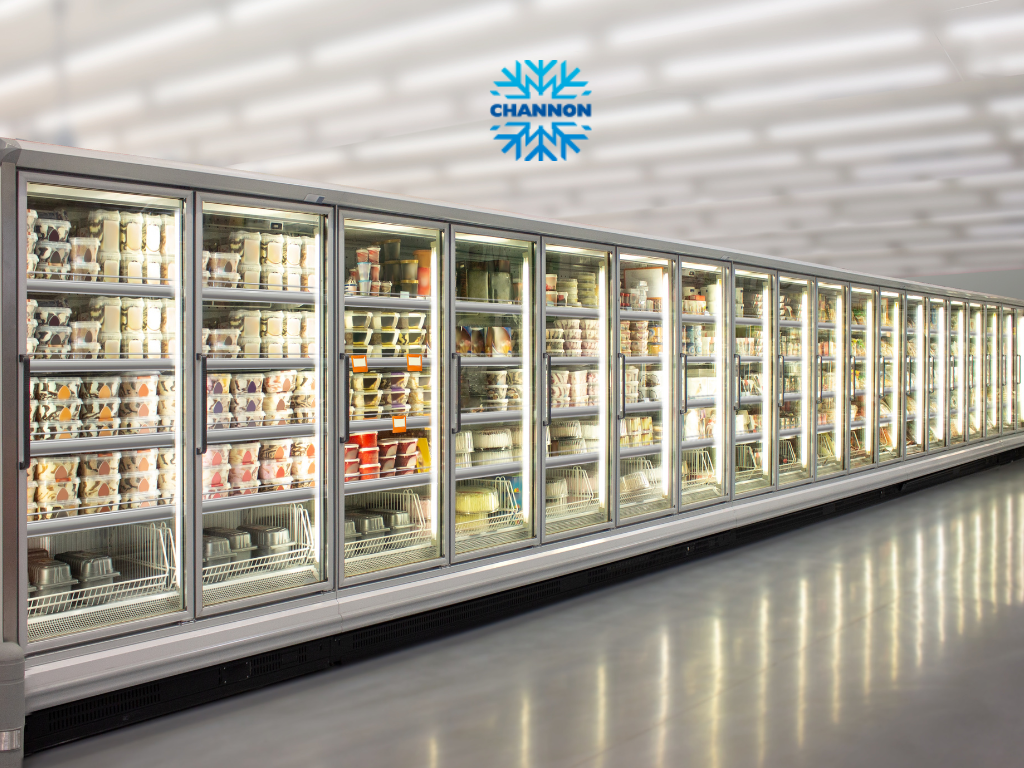
Commercial refrigeration is essential for businesses that need to store, prepare, display or distribute temperature-sensitive products. However, choosing the right equipment involves more than selecting a fridge with enough shelves.
A restaurant may need underbench refrigeration close to food-preparation areas, an upright cabinet for ingredients and a cool room for bulk deliveries. A butcher, supermarket or food producer may require larger cold-storage capacity, while a catering business may also need rapid-cooling equipment for prepared food.
The right system should match the products being stored, the volume of stock, the available space and the way employees move through the premises. It should also maintain suitable temperatures without placing unnecessary pressure on energy use or daily operations.
For businesses comparing commercial refrigeration Sydney suppliers, this guide explains the main equipment options, what to check before purchasing and when professional advice is useful.
Consider the products and required temperatures
The first step is to identify exactly what will be stored in each unit.
Fresh meat, dairy products, prepared meals, beverages, frozen food and produce do not necessarily have the same storage requirements. Some products need steady chilled storage, while others must remain frozen or be cooled quickly after cooking.
Potentially hazardous cold food generally needs to be stored at 5°C or below. Frozen food should remain frozen during storage and display. NSW food businesses must be able to demonstrate that potentially hazardous food is kept under suitable temperature control.
This does not mean that every refrigerator should be operated at exactly the same setting. Product specifications, operational requirements and applicable food-safety procedures should guide the final temperature settings.
Businesses should also consider whether raw food and ready-to-eat food require separate storage areas. Separating these products can make stock handling easier and reduce the risk of cross-contamination.
Review stock movement and delivery frequency
Equipment capacity should reflect how much stock the business holds at its busiest point, not only the amount stored on an average day.
A restaurant receiving fresh deliveries several times each week may need less bulk storage than a business ordering larger quantities less frequently. Seasonal demand, weekend trading and special events can also increase the amount of refrigeration space required.
Stock rotation should form part of the layout. Employees should be able to identify older products, access frequently used items and clean around shelving without removing excessive amounts of stock.
Overloading a refrigerator can restrict airflow and make temperature control more difficult. Australian Government guidance recommends keeping air grilles clear and avoiding overstocking so refrigerated air can move around the products.
The business should therefore allow enough usable space rather than choosing equipment solely from its advertised external or total volume.
Compare the Main Refrigeration Options
Commercial fridges Sydney businesses commonly use include upright cabinets, underbench units and refrigerated display cabinets.
Upright refrigerators provide accessible storage without requiring a large floor area. They can suit kitchens, cafés, bakeries and retail food businesses that need organised shelves and frequent access.
Underbench units place ingredients close to preparation areas and can also provide a practical work surface. However, their capacity is usually more limited, so they may work best as part of a larger refrigeration setup.
Display cabinets are designed to keep suitable products cold while allowing customers or staff to see them. The equipment must match the intended product and operating temperature rather than being selected for appearance alone.
Commercial freezers may also be upright, underbench, chest-style or display units. The right format depends on access frequency, product packaging and whether customers need to view the contents.
Modular cool rooms and freezer rooms
Commercial modular cool rooms provide walk-in storage and may be more practical when a business holds large deliveries, bulky containers or a broad range of chilled products.
The room can be configured around the available premises, although the final design must consider insulation, refrigeration capacity, door position, shelving, lighting and staff access.
A cool room should not simply be treated as an empty insulated box. Shelving and stock placement must allow cold air to circulate, while the door and access route should support efficient loading and unloading.
Australian Government guidance notes that gaps around cool-room panels and wall penetrations can allow warm, moist air to enter. It also recommends rapid-close doors or strip curtains where doors are opened regularly.
Freezer rooms require a different design from chilled cool rooms, particularly in relation to insulation, flooring, doors, defrosting and refrigeration capacity.
The supplier should explain how the proposed room has been sized and which products, storage volumes and usage patterns were considered.
Understand Blast Chilling and Blast Freezing

When a blast chiller may be needed
A commercial blast chiller is designed to reduce the temperature of suitable cooked food more rapidly than an ordinary storage refrigerator.
A standard commercial fridge is mainly intended to hold products that are already cold. Placing a large quantity of hot food inside can increase the cabinet temperature and place other stored products at risk.
NSW food-safety guidance states that cooked potentially hazardous food should generally be cooled from 60°C to 21°C within two hours and then from 21°C to 5°C within a further four hours, unless the business can demonstrate another safe process.
A blast chiller may help commercial kitchens, caterers, bakeries and food-production businesses manage this cooling stage more consistently. However, the equipment must be sized around the batch volume, product depth, containers and required cooling time.
After chilling, the food is normally transferred to appropriate refrigerated storage. A blast chiller should not automatically be treated as the business’s main long-term storage cabinet.
When a blast freezer is more appropriate
A blast freezer is intended to lower the temperature of suitable products rapidly into a frozen state.
It may be used by bakeries, food manufacturers, catering businesses or commercial kitchens that prepare food in batches for later frozen storage.
Rapid freezing can support production scheduling and product handling, but the equipment must match the type and quantity of food being processed. Dense, packaged or large products may require different cycles from smaller portions.
The business should confirm the intended batch capacity and the temperature the product must reach before choosing the equipment.
Once the freezing cycle is complete, products are normally transferred to a suitable freezer for ongoing storage. Using a blast freezer as the main storage unit may not be the most practical or efficient arrangement.
A supplier should explain the difference between cycle capacity and long-term holding capacity so the business does not purchase equipment based on misleading assumptions.
Choose the Correct Size and Layout
Refrigeration equipment that is too small may become overcrowded, while oversized equipment can occupy valuable space and may cost more to purchase and operate than necessary.
Capacity planning should begin with the maximum likely stock level, packaging dimensions, delivery schedule and required separation between products.
Shelving also affects usable capacity. Large trays, cartons and food containers may not fit efficiently even when the stated cabinet volume appears sufficient.
For cool rooms, the design should account for aisle space, staff movement, shelving depth and clearance around evaporators. The entire floor area cannot be treated as usable storage space.
Future growth should be considered where the business has realistic plans to expand. However, buying a much larger system without a clear operational need may create unnecessary expense.
The supplier should be able to explain how the recommended capacity was calculated rather than relying on a general estimate based only on the number of employees or seats.
Plan doors, ventilation and staff access
Equipment placement affects refrigeration performance and daily workflow.
Condensing units and cabinets need suitable airflow around them so heat can be released. Installing equipment in a confined, poorly ventilated area may cause it to work harder and operate less efficiently.
Doors should open without blocking busy walkways or preparation areas. Staff should also be able to load stock without leaving doors open longer than necessary.
For cool rooms, the door location should suit deliveries, kitchen access and stock rotation. Shelving should not obstruct evaporator airflow or prevent cleaning.
Access for maintenance is equally important. Technicians need sufficient room to inspect and service components without moving fixed joinery or dismantling nearby equipment.
Before installation, the supplier should review doorways, stairs, loading areas and other access limitations. A unit may suit the available floor space but still be impossible to move into the premises without additional work.
Compare Energy Use and Ongoing Maintenance
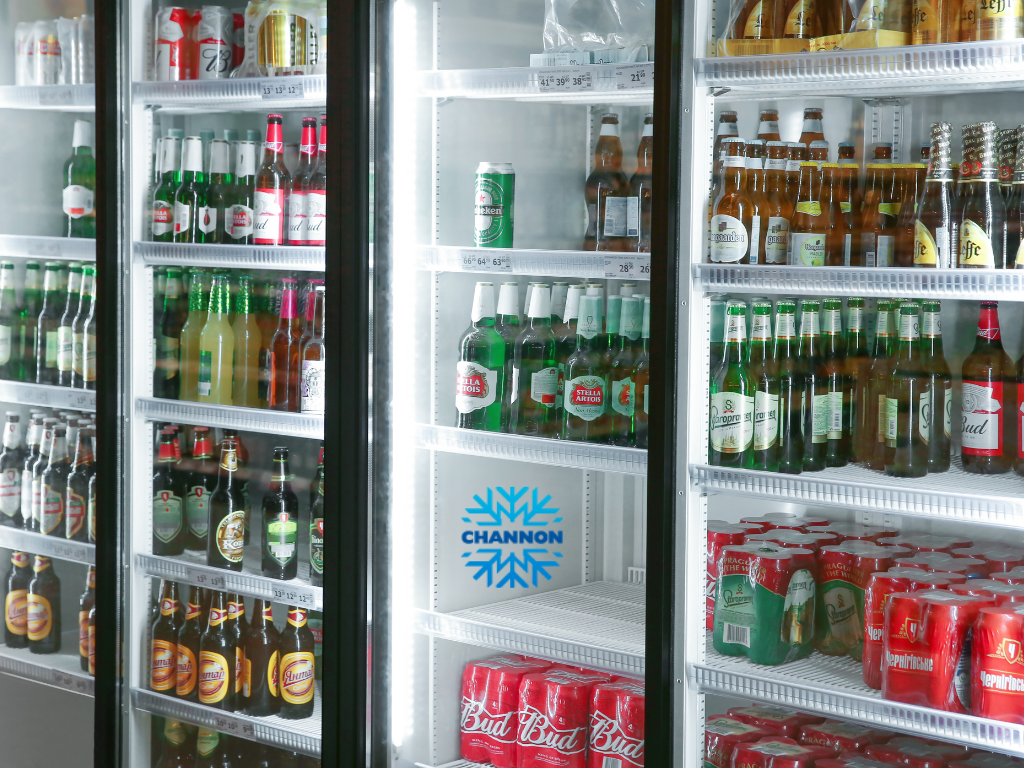
Look beyond the initial purchase price
Commercial refrigeration operates for long hours, so the purchase price is only one part of its total cost.
Australian Government guidance states that refrigeration can account for between 25% and 85% of a company’s total energy use, depending on the business and equipment. This makes efficiency a significant consideration when comparing commercial refrigeration equipment for sale.
Buyers should compare suitable efficiency information, cabinet design, insulation, controls and operating conditions. A lower-priced unit may cost more over time when it uses considerably more electricity or does not match the required capacity.
Refrigerated cabinets covered by Australian efficiency requirements can be checked through the Energy Rating registration database. Businesses should ask suppliers to provide the model details needed for comparison.
Equipment should also be placed away from unnecessary heat where practical. Cooking equipment, direct sunlight and poorly ventilated spaces can increase the load on the refrigeration system.
Plan maintenance from the beginning
Regular maintenance supports temperature control, equipment reliability and energy efficiency.
Maintenance may include cleaning condenser coils, checking door seals, reviewing evaporator condition, confirming temperature controls and inspecting for unusual noise, ice formation or changes in performance.
Australian Government testing found that common refrigeration faults such as blocked condensers, blocked evaporators and incorrect refrigerant charge increased energy use. Regular maintenance can reduce the impact of these faults and may help prevent system failure.
The maintenance schedule should follow the manufacturer’s recommendations and reflect how heavily the equipment is used.
A busy kitchen with grease, heat and frequent door openings may require different attention from a low-traffic storage area.
Before buying, ask how service access is provided, which parts need routine cleaning and whether the supplier offers planned maintenance or repair support in Sydney.
Choose a Suitable Supplier and Service Provider
Commercial refrigeration sales Sydney businesses compare should include more than a catalogue and equipment price.
A useful supplier should ask about the products being stored, required temperatures, stock volume, operating hours and available space. The recommendation should explain why a specific cabinet, cool room or rapid-cooling system suits those needs.
Installation requirements should also be clear. Some equipment may require plumbing, drainage, electrical work, ventilation or structural preparation before it can be commissioned.
Ask whether delivery, positioning, installation, testing and staff instruction are included. A unit delivered to the kerb is not the same service as a complete installed and commissioned system.
Warranty coverage and service response should also be reviewed. Businesses relying on refrigeration every day need to understand who handles faults, which parts are covered and what assistance is available after installation.
Check licensing and written documentation
Air-conditioning and refrigeration work in NSW requires the appropriate licence or certificate. This requirement also covers associated electrical wiring that falls within the refrigeration work.
Businesses should confirm that the contractor is appropriately licensed for the proposed work and ask who will supervise the installation.
The quotation should identify the equipment model, capacity, installation work, controls, exclusions and commissioning requirements.
For cool rooms, the scope should describe insulation panels, doors, refrigeration components, lighting, flooring responsibilities and drainage where applicable.
For a commercial blast chiller or blast freezer, the quote should state batch capacity, cycle assumptions and whether commissioning or staff instruction is included.
Clear documentation makes commercial refrigeration equipment easier to compare and reduces the risk of important work being excluded from the final price.
When to Contact Channon
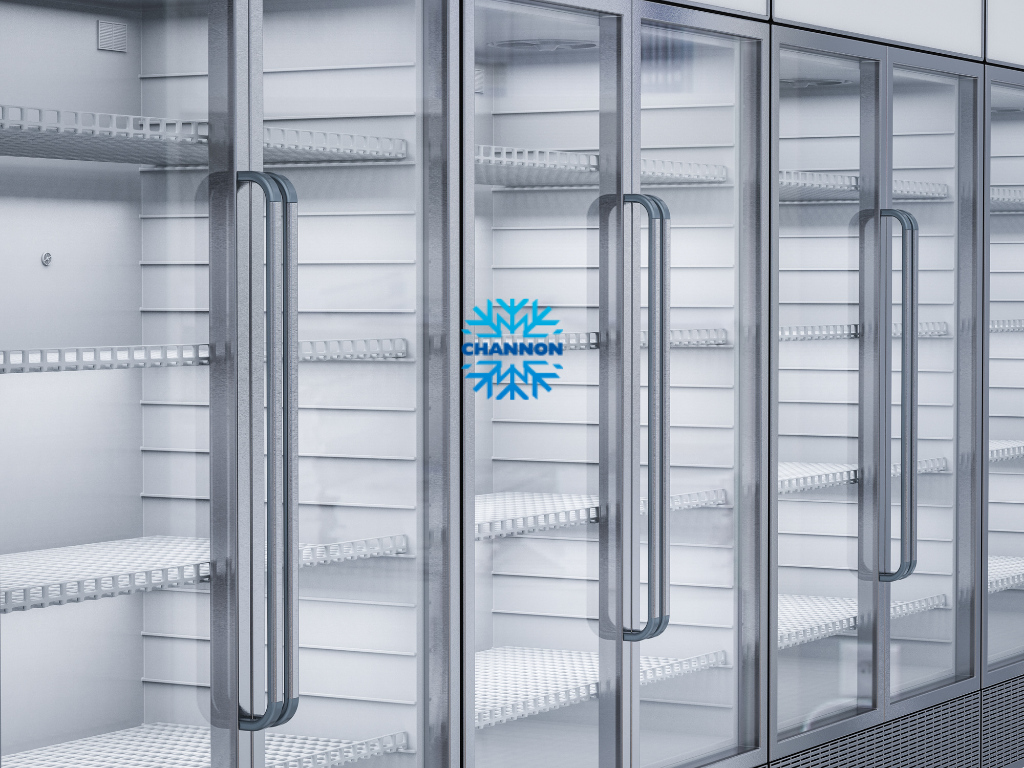
Seek advice before purchasing or replacing equipment
Professional advice is useful when a business cannot determine whether it needs an additional cabinet, a larger cool room or a complete replacement system.
Channon can be contacted when a Sydney business needs help comparing commercial fridges, modular cool rooms, blast chillers, freezers or other refrigeration equipment.
An assessment is particularly useful before opening a new premises, expanding production or replacing equipment that has become unreliable.
The supplier should review the business requirements rather than recommending equipment based only on available floor space.
Businesses should also seek advice when existing refrigeration struggles to recover after deliveries, runs continuously, develops excessive ice or cannot maintain the required operating temperature.
Prepare business information before requesting a quote
Before contacting a commercial refrigeration provider, prepare a list of products, required temperatures and maximum storage quantities.
Provide floor plans or measurements, including doorways and access routes. Explain normal operating hours, delivery schedules and how often employees need to open the equipment.
For blast chilling or freezing, provide expected batch sizes, product types, starting temperatures and required processing times.
Mention future plans that may affect capacity, such as an expanded menu, additional retail display or increased food production.
This information helps the supplier recommend equipment that matches the operation rather than relying on a generic commercial refrigeration package.
By comparing capacity, layout, food-safety needs, energy use and after-sales support, Sydney businesses can choose refrigeration equipment that is practical for both current operations and realistic future growth.
